Transport and Travel
Navigating a dense, bustling metropolis can often feel overwhelming for new arrivals, but mastering the local transit network unlocks the true rhythm of the city. In this comprehensive overview of Transport and Travel, we demystify one of the most efficient and culturally rich public transit systems in the world. Whether you are gliding across the harbor or weaving through neon-lit streets, understanding how to move around is your first step toward a seamless journey.
The local transit ecosystem is a fascinating blend of ultra-modern engineering and carefully preserved heritage. From the lightning-fast underground rail networks to the century-old wooden vessels, every mode of transport offers a unique perspective on the urban landscape. This guide is designed to equip you with the practical knowledge, unwritten etiquette, and strategic tips needed to commute with the confidence of a seasoned local.
Mastering the Octopus Card: Your Essential Travel Companion
Before stepping onto any platform or boarding a bus, acquiring an Octopus card is an absolute necessity. Far more than a simple transit pass, this contactless smart card functions as a widely accepted digital wallet, seamlessly integrating into daily urban life.
Choosing the Right Card Type
For visitors and short-term residents, deciding between the different card categories is the first logistical hurdle. The system offers two main variations tailored to different needs:
- On-Loan Octopus: The standard choice for most commuters, requiring a refundable deposit. It allows you to carry a negative balance for a single trip, acting as a safety net if you miscalculate your fare.
- Sold Tourist Octopus: Features unique designs making it a great souvenir, but does not include a refundable deposit and cannot carry a negative balance.
Top-Ups, Refunds, and Mobile Integration
Reloading your card is incredibly convenient. You can easily top up using cash at any major convenience store, such as 7-Eleven, or directly at transit stations. Furthermore, the card’s utility extends far beyond transportation; you can use it to purchase meals at fast-food chains, buy groceries, or even pay for vending machine snacks. If you prefer digital solutions, the dedicated tourist application allows you to integrate the card with your smartphone, provided it supports NFC technology, eliminating the need for a physical card entirely.
Navigating the Mass Transit Railway (MTR) Like a Pro
The MTR is the subterranean lifeblood of the city, renowned globally for its punctuality and cleanliness. However, navigating its vast underground complexes requires a bit of strategic planning, especially during peak commute hours.
Station Architecture and Crucial Exits
One of the first things you will notice is the striking visual design of the stations. The brightly colored mosaic tiles lining the walls are not merely decorative; they were historically implemented to help passengers identify their stops before widespread literacy. Today, they serve as iconic backdrops for daily commutes.
When exiting a station, choosing the correct exit letter is critical. Major hubs can have over a dozen exits sprawling across different city blocks. Taking the wrong exit might result in a confusing, time-consuming detour above ground. Additionally, older stations have been retrofitted to accommodate modern accessibility needs; if you are traveling with a stroller, always look for the dedicated lift signage, which is often located near the central concourse.
Rules, Etiquette, and Climate Control
The pristine condition of the MTR is maintained through strictly enforced regulations. For example, consuming food or beverages within the paid areas is strictly prohibited, and breaking this rule can result in a hefty HK$2000 fine. Even taking a quick sip of water can attract the attention of station staff.
Another quirk of the system is the intense climate control. The public transport network is famously kept incredibly cold, even at the height of summer, to combat humidity and passenger density. Always carry a light layer. Finally, adhere to local etiquette: offer priority seats to those in need, and always heed the frequent « Pleasemindthegap » announcements, which are a staple of the underground soundscape.
Nostalgic Rides on the Double-Decker Trams
Affectionately known as the « DingDing » due to the sound of their warning bells, the fleet of vintage double-decker trams is a living museum rolling through the northern corridor of the island. Unlike the speedy subway, the tram is about the journey, not just the destination.
Boarding Procedures and Route Highlights
Riding the tram requires unlearning standard transit habits. The golden rule is simple: enter at the back and pay at the front when alighting. This system prevents bottlenecks at tram stops. Because the fare is a flat, incredibly low rate regardless of distance, it serves as an exceptional budget-friendly city tour.
For the best experience, try to snag the very front seat on the upper deck. This vantage point offers unparalleled views of historic architecture and bustling markets. However, be mindful during the summer months; these heritage vehicles rely on natural ventilation through open windows rather than air conditioning. Furthermore, navigating the narrow spiral staircases makes carrying large suitcases highly impractical and frowned upon by locals.
Conquering the Peak: Tram, Bus, or Trail?
Reaching the highest vantage point over the city is a must-do, but the iconic funicular railway that services the summit often commands massive queues, especially on weekends and clear days.
Strategies for a Smooth Ascent
If you choose the funicular, purchasing a combined pass that includes summit terrace access can sometimes expedite your journey, though assessing its value for larger families requires careful calculation. To bypass the two-hour wait times, consider these alternative approaches:
- Arrive early or late: Aim for the very first departure of the morning or go after dinner when crowds thin out.
- Take the scenic bus route: Riding the double-decker bus up or down the winding mountain roads offers thrilling, sweeping views of the harbor that rival the funicular itself.
- Hike the Morning Trail: For active travelers, walking the paved ascent is a rigorous but rewarding challenge that entirely bypasses transit queues.
Crossing the Harbor via the Historic Star Ferry
Often cited as one of the world’s most scenic and cost-effective daily commutes, the green and white ferries have been shuttling passengers across the harbor for over a century. The journey takes merely ten minutes, but the sensory experience is unforgettable.
Seating, Timing, and Maritime Traditions
When boarding, you must choose between the upper and lower decks. The upper deck provides expansive, unobstructed views and a refreshing sea breeze, making it ideal for photography, while the lower deck puts you closer to the churning water and the vessel’s rumbling engines. For the ultimate visual treat, time your crossing perfectly with the setting sun to capture the skyline transitioning into a neon spectacle.
Watch the sailors closely as the ferry approaches the pier; you will witness a time-honored maritime tradition where crew members deftly use long billhooks to catch and secure the heavy mooring ropes. Accessing the turnstiles is seamless with your smart transit card, eliminating the need to fumble for exact coin change.
Advanced Commuting: Minibuses and Digital Navigation
For those looking to venture beyond the main arterial routes, the minibus network fills the gaps. These smaller vehicles navigate the steepest hills and narrowest streets, but they operate under a distinct set of rules.
Decoding Red and Green Minibuses
Understanding the color-coded roof of a minibus is crucial for any traveler:
- Green Minibuses: Operate on fixed routes with scheduled stops and fixed fares. They are predictable and highly recommended for beginners.
- Red Minibuses: Operate more like shared taxis. They do not have strictly fixed routes or prices, and you can generally flag them down or request a drop-off anywhere along their general path. They require a confident understanding of the local geography.
To master all these moving parts, utilizing a reliable transit application like Citymapper is indispensable. These apps calculate the fastest routes by combining trains, buses, and ferries, ensuring you can navigate the urban labyrinth with the precision of a lifelong resident.
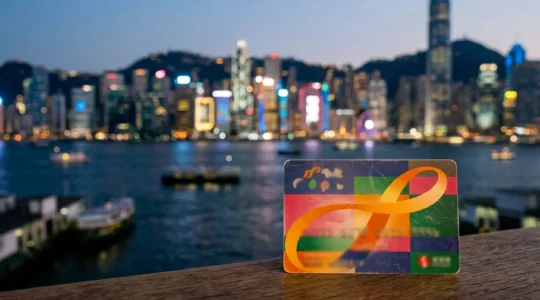
Sold vs On-Loan Octopus: Which Card Type is Best for Tourists?
The choice between a Sold and an On-Loan Octopus isn’t about souvenirs; it’s a strategic calculation of your personal tolerance for end-of-trip administrative friction. The On-Loan card offers a refundable deposit but requires a final task at the airport to…
Lire la suite
How to Ride the Tram Through Chun Yeung Street Market for the Perfect Photo
Trying to capture the iconic photo of a Hong Kong tram parting the crowds of Chun Yeung Street Market often feels like a game of chance. The real secret isn’t a fast shutter speed, but understanding the hidden system behind…
Lire la suite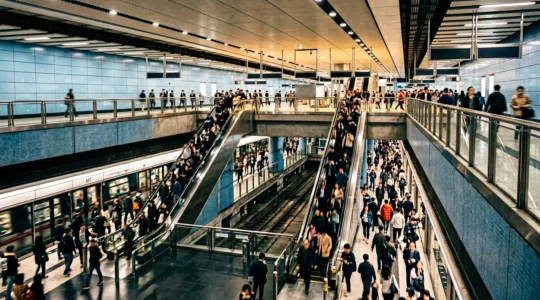
How to Navigate Admiralty Station During Rush Hour: A Psychological Guide to Conquering the Crowds
The secret to surviving Hong Kong’s MTR rush hour isn’t avoiding the crowds, but psychologically reframing the system from a source of chaos into a predictable, logical environment. Systemic features like frequent announcements and color-coded walls are not random; they…
Lire la suite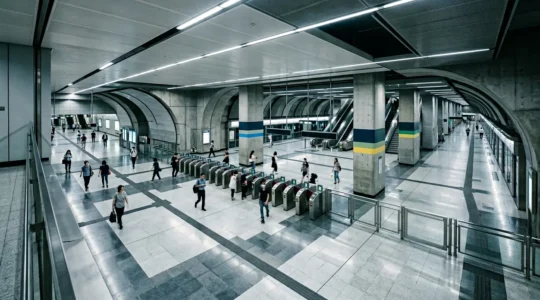
How to Use the Citymapper App to Navigate Hong Kong Like a Local
In summary: Navigating Hong Kong requires understanding the ‘why’ behind its transport rules, not just following a map. Citymapper is more than a route planner; it’s a diagnostic tool for solving the city’s unique mobility puzzles. Mastering multi-modal travel—seamlessly switching…
Lire la suite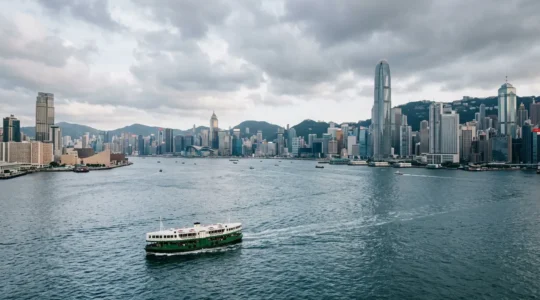
Why Is the Star Ferry Rated as One of the World’s Best Value Commutes?
The Star Ferry’s true value isn’t its low price, but its role as a living, interactive time capsule of Hong Kong’s maritime soul. Its century-old operational details, like manual mooring with billhooks, are preserved acts of « kinetic history. » The journey…
Lire la suite
Is the Peak Tram Sky Pass Worth the Extra Cost for a Family of Four?
For a family of four, the Peak Tram Sky Pass is a classic tourist trap you’re better off avoiding. The famous Sky Terrace 428 view can be replicated for free at several nearby lookouts, offering an almost identical, less crowded…
Lire la suite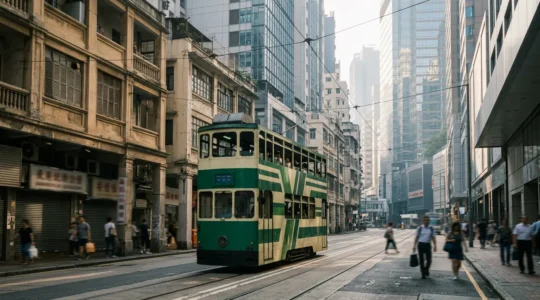
How to Ride the Hong Kong Tram for an Unforgettable £0.30 City Tour
The Hong Kong tram is more than just cheap transport; it’s a strategic tool for an authentic, historical tour if you know its secrets. Mastering the « Terminus Strategy » guarantees the best upper-deck seats for unparalleled views. Understanding the pay-on-exit system…
Lire la suite