Gastronomy and Restaurants
Hong Kong’s food scene is a living theatre where centuries-old Cantonese traditions meet contemporary urban energy. From the clattering trolleys of century-old tea houses to the sizzling street stalls in Mong Kok, dining here is never just about sustenance—it’s a cultural immersion that reveals the city’s soul. Understanding how to navigate this gastronomic landscape transforms a simple meal into an authentic encounter with local life.
Whether you’re attempting to decipher a dim sum stamp card, wondering why everyone is tapping their fingers when tea is poured, or trying to choose a live fish from a tank without offending anyone, Hong Kong’s dining customs can feel like an intricate dance. This comprehensive resource will equip you with the knowledge to eat confidently across every setting—from humble cha chaan teng breakfast counters to Michelin-starred establishments that won’t break your budget.
Understanding Hong Kong’s Unique Dining Culture
Hong Kong dining culture operates on principles that might initially perplex visitors. The concept of « dap toi » (table sharing) is not about restaurant overcrowding—it’s a pragmatic approach to space in one of the world’s most densely populated cities. When you join strangers at a communal table, you’re participating in a daily ritual that prioritizes efficiency and accessibility over Western notions of dining privacy.
The city’s restaurant landscape reflects its historical position as a trading port where speed and turnover matter. Popular establishments, particularly on Sundays when families gather for traditional meals, operate at maximum capacity. Understanding peak dining rhythms helps you time your visits strategically—arriving at 11am for dim sum rather than noon can mean the difference between a 10-minute wait and an hour-long queue.
Tipping culture here defies simple rules. Many restaurants add a 10% service charge automatically, yet this doesn’t always reach serving staff. Locals often round up bills or leave small change as a gesture, but it’s never obligatory. The practice varies between establishment types, with high-end restaurants expecting nothing beyond the service charge, while casual eateries appreciate coins left on the table.
The Art of Yum Cha: Tea Houses and Dim Sum Traditions
Yum cha—literally « drinking tea »—is fundamentally a morning or lunchtime social activity in Cantonese culture. The tradition revolves around leisurely conversation punctuated by small steamed and fried delicacies, all accompanied by continuously refilled pots of tea. Sunday yum cha serves as the weekly anchor for family connections, where three generations gather around tables laden with bamboo steamers.
Navigating Traditional Dim Sum Halls
The cacophonous atmosphere of authentic dim sum halls—where conversations compete with clattering dishes and shouted orders—creates an energizing environment that newcomers often find overwhelming. This noise level is actually a mark of authenticity; pristine silence would suggest a tourist-oriented establishment rather than a local favorite. Places like Lin Heung Tea House and City Hall Maxim’s Palace maintain the traditional trolley service, where staff push carts through the dining room and you select dishes on sight.
Securing a table at popular venues without reservations requires a specific technique locals call « hovering. » Position yourself near the entrance or circulate near finishing tables, making eye contact with staff to signal your readiness. Aggressive pushing is frowned upon, but assertive presence is expected—there’s a fine cultural line between the two that you’ll recognize by observing regular patrons.
Tea Selection and Table Rituals
Your first decision when seated will be tea selection. Pu’er tea is the traditional pairing with greasy dim sum because its robust, earthy flavor cuts through rich foods and aids digestion. Jasmine offers a lighter, more fragrant alternative suitable for those preferring delicate tastes. Requesting plain hot water instead of tea is technically acceptable but carries mild social stigma, as tea is integral to the entire yum cha concept.
The finger-tapping gesture you’ll witness when someone pours tea isn’t random fidgeting—it’s a silent « thank you » with roots in imperial legend. Two fingers tapping recreates a bowing gesture, allowing you to express gratitude without interrupting conversation. When your teapot needs refilling, simply remove the lid or tilt it on the spout; attentive staff will notice and bring hot water without you needing to flag them down.
Bowl-washing with tea is a hygiene ritual practiced by many locals, though modern restaurants maintain high sanitation standards. This tradition stems from decades past when cleanliness was less reliable. If you choose to rinse your utensils and bowls, pour the used tea into the designated waste bowl provided at your table rather than your eating bowl.
Ordering and Payment Systems
Traditional establishments use stamp cards that track your order through cryptic symbols representing dish categories. Small, medium, and large stamps correspond to pricing tiers. At meal’s end, staff tally these marks to calculate your bill—a system that seems archaic but moves with surprising efficiency during rush periods.
When the trolley doesn’t have the specific dish you want, simply let it pass and wait for the next cart rotation, or ask staff to bring items from the kitchen. Most halls have a mixture of roaming trolleys and made-to-order items that require written requests on order forms at your table.
Mastering Dim Sum: From Har Gow to Char Siu Bao
Two dishes dominate Hong Kong’s dim sum hierarchy, each representing different culinary skill sets. Understanding their nuances transforms you from casual consumer to informed appreciator.
The Perfection Standards of Har Gow
Har Gow (shrimp dumplings) serve as the ultimate test of a dim sum chef’s skill. The translucent wrapper should be thin enough to reveal the pink shrimp within, yet sturdy enough to withstand steaming and chopstick handling without tearing. The legendary « 13 pleats » rule is more aspiration than rigid standard—what matters is that the pleating is uniform and the seal is complete.
Fresh shrimp creates a firm, snappy texture when you bite down, while frozen shrimp yields a softer, mushier consistency. The filling should be seasoned simply, allowing the natural sweetness of quality shrimp to dominate. Presentation typically comes in bamboo baskets of four, a number that balances portion size with the variety expected in a dim sum meal.
Dipping sauce preference is personal rather than prescribed. Purists argue that excellent har gow needs no embellishment, while others enjoy a light touch of soy sauce or chili oil. The key is moderation—drowning these delicate dumplings in sauce obscures the craftsmanship you’re meant to appreciate. When picking them up, approach from the side where pleats gather, gently squeezing to create a secure grip without puncturing the skin.
Char Siu Bao: Baked Versus Steamed
The debate between baked and steamed BBQ pork buns reveals personal preference rather than objective superiority. Steamed buns offer a pillowy, cloud-like exterior that yields to reveal sweet-savory char siu filling. Baked versions develop a golden, slightly sweet crust that provides textural contrast. Both styles claim authentic Hong Kong heritage.
Tim Ho Wan’s baked buns achieved legendary status, drawing queues that can extend to multiple hours. Whether they remain « the best in the world » is subjective, but they exemplify how quality ingredients and precise technique can elevate a humble dish. The mysterious paper square stuck to steamed bun bottoms serves a practical purpose—it prevents the dough from adhering to the steamer during cooking and makes handling easier.
Parents favor char siu bao for picky children because the filling is mild, slightly sweet, and familiar in texture. A standard bun contains approximately 200-260 calories depending on size and fat content of the pork. Baked versions generally don’t survive long flights well, as they lose their textural appeal when reheated, though vacuum-sealed frozen versions travel better than you’d expect.
Street Food: Hong Kong’s Edible Streets
Hong Kong’s streets function as an extended dining room where locals grab quick, inexpensive bites that pack remarkable flavor. Understanding street food culture requires balancing adventure with practical safety awareness.
Curry fish balls reign as the undisputed champion of Hong Kong street snacks. These aren’t fish-shaped—they’re spherical processed fish cakes simmered in curry sauce, served on skewers. Their popularity stems from the perfect combination of portability, bold flavor, and nostalgic associations with childhood and night markets. High turnover at busy stalls means you’re almost always getting freshly cooked items, which is your primary food safety indicator.
Stinky tofu presents the ultimate olfactory challenge. The fermented smell—reminiscent of refuse bins on a hot day—genuinely repels some people, yet the taste is surprisingly mild, more savory and umami-rich than the aroma suggests. If you’re adventurous, the disconnect between smell and flavor becomes part of the experience. Choose stalls with visible cooking processes and steady customer flow.
Gai daan zai (egg waffles) come in original and chocolate varieties, though purists insist the original flavor represents authentic Hong Kong street food heritage. The chocolate version is a modern adaptation catering to tourists and younger locals. The hallmark of quality is the contrast between crispy exterior bubbles and slightly custardy centers.
Most street stalls still operate on a cash-only basis despite Hong Kong’s digital payment sophistication. Vendors cite transaction fees, older demographics, and the simplicity of cash handling during rapid-fire service. Always carry small bills and coins when exploring street food areas. Walking while eating is socially acceptable on streets, but never bring food onto the MTR—it’s both against regulations and culturally inconsiderate in the confined space.
Cantonese Cuisine Philosophy: Wok Hei, Soups, and Fresh Ingredients
Cantonese cooking philosophy prioritizes ingredient quality over heavy seasoning, which explains why it’s notably less spicy than Szechuan or Thai cuisines. The goal is enhancing natural flavors rather than masking them with chili heat. This approach demands impeccably fresh ingredients, particularly seafood, which you’ll often select live from restaurant tanks.
The Magic of Wok Hei
Wok hei—literally « breath of the wok »—describes the slightly charred, smoky essence that proper stir-frying imparts to dishes. Achieving it requires restaurant-grade high heat that home stoves cannot replicate, plus the skill to constantly toss ingredients so they sear without burning. When you taste it in a stir-fry, you’ll notice a subtle smokiness and a particular aromatic depth that elevates the dish beyond its individual components.
The Ritual of Slow-Cooked Soup
Cantonese meals traditionally begin or end with slow-cooked soup (« lo for tong »), simmered for hours to extract nutrients and flavors from bones, dried seafood, and medicinal herbs. This practice reflects Traditional Chinese Medicine principles about balancing the body’s systems. The soup isn’t meant to be filling—it’s a restorative element that aids digestion and provides hydration, particularly important in Hong Kong’s humid climate.
Live Seafood Selection
Choosing live fish or shellfish from restaurant tanks can intimidate first-timers. Look for active, alert fish with clear eyes and intact scales. Point to your selection, and staff will net it, weigh it, and quote a price before cooking. If you have shellfish allergies, learning the Cantonese phrase « ngo deoi hoi sin gwo man » (I’m allergic to shellfish) is crucial, as cross-contamination risks are high in seafood-focused kitchens.
The roast goose versus roast duck debate divides locals. Both are Hong Kong specialties, but roast goose is often considered the more refined choice, with richer flavor and crispier skin when properly executed. Duck is more forgiving to cook and therefore more commonly available, making truly excellent goose a marker of a skilled kitchen.
Festival Foods: Mooncakes and Zongzi
Hong Kong’s festival calendar is marked by specific foods that carry deep cultural symbolism. Understanding these seasonal specialties connects you to traditions that span generations.
Mooncake Traditions and Varieties
Mooncakes appear everywhere during Mid-Autumn Festival, with prices ranging from modest to extravagant. Premium boxes can exceed HK$500 because they often contain luxury ingredients, come in elaborate gift packaging, and carry brand prestige important for corporate gifting. The traditional lotus seed paste with salted egg yolk represents classic taste, while snowy skin versions offer a lighter, refrigerated alternative with modern appeal.
Eating mooncakes in small slices with tea is advised because they’re extremely rich and calorie-dense—a full mooncake can contain 800-1000 calories. Tea helps cut the sweetness and aids digestion. Novelty flavors like truffle or durian cater to adventurous eaters and make memorable souvenirs, available at upscale bakeries and hotel patisseries.
Bringing mooncakes with egg yolks back to the UK faces customs restrictions on animal products, so check current regulations before packing them. The decorative metal tins can be recycled at designated collection points that many bakeries and shopping centers operate post-festival.
Zongzi: Dragon Boat Festival Dumplings
Zongzi—glutinous rice parcels wrapped in bamboo leaves—commemorate the Dragon Boat Festival but appear year-round in specialist shops. Sweet versions contain red bean paste or jujube dates, while savory ones include pork, mushrooms, and salted egg yolk. The wrapping style sometimes indicates the type, but asking before unwrapping prevents disappointing surprises.
Reheating refrigerated zongzi is best done by steaming for 15-20 minutes to restore moisture and heat evenly, though microwaving works in a pinch if you add a damp paper towel. Locals pair them with pu’er tea specifically because the tea’s robust character balances the sticky rice’s heaviness. The legend of throwing zongzi into rivers originates from attempts to feed fish so they wouldn’t consume the body of poet Qu Yuan—a story that adds poignant depth to every bite.
Navigating Practical Challenges and Etiquette
Practical concerns often create more anxiety than they should. Most situations have simple solutions once you understand local norms.
Language Barriers in Cha Chaan Teng
Cha chaan teng (Hong Kong-style cafés) feature walls of menu items in Chinese with minimal English. Pointing at what other diners are eating is completely acceptable and often the most effective ordering method. Many establishments now have picture menus or numbered items—learning to recognize Chinese numerals helps tremendously. Set meals (often marked with letters A, B, C) provide safe entry points.
Chopstick Taboos
Several chopstick behaviors carry negative cultural weight. Never stick chopsticks vertically into rice—this resembles incense at funerals. Passing food chopstick-to-chopstick mimics funeral bone-passing rituals. Pointing with chopsticks or using them to move plates is considered rude. Instead, lay them on the provided rest or across your bowl between bites. These taboos are taken seriously during family meals, less so in casual settings, but awareness shows respect.
Budget Fine Dining
Hong Kong’s unique restaurant landscape allows you to eat at Michelin-starred establishments for under £15 by choosing lunch sets or specific budget-friendly venues like Tim Ho Wan or Kam’s Roast Goose. Michelin recognition in Hong Kong includes street food and casual restaurants, not just white-tablecloth dining, making starred food remarkably accessible compared to European equivalents.
This gastronomic democracy—where exceptional food spans all price points—defines Hong Kong’s eating culture. Your most memorable meal might come from a plastic stool on a sidewalk or a tea house that hasn’t changed in 70 years. The key is approaching each dining experience with curiosity, respect for local customs, and willingness to venture beyond comfort zones. Every meal is an opportunity to understand this city’s soul, one delicious bite at a time.
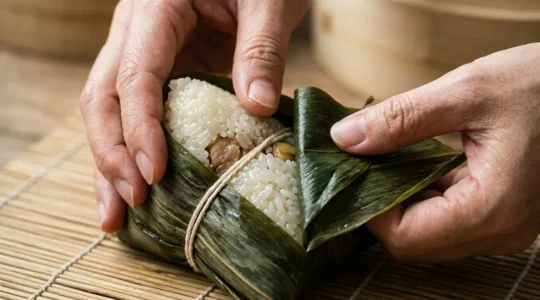
How to Eat a Zongzi Without Making a Sticky Mess?
In summary: The key to a mess-free experience is a refined ritual, not a fight against stickiness. Proper reheating (steaming is best) is crucial for the perfect texture and easy unwrapping. Unwrap the zongzi from the wide top down, letting…
Lire la suite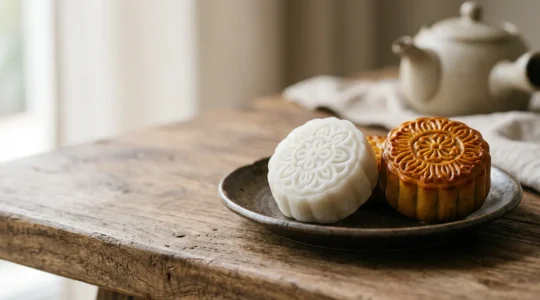
Snowy Skin vs Traditional Lotus: Which Mooncake Should You Try?
Choosing between snowy skin and traditional mooncakes isn’t just about taste; it’s about understanding the cultural role each one plays in the art of festive gifting and consumption. Traditional baked mooncakes represent heritage and respect, making them the default for…
Lire la suite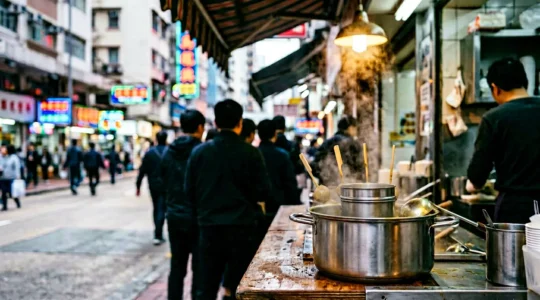
How to Eat Street Food in Hong Kong Without Getting Sick?
The key to safely enjoying Hong Kong street food isn’t avoiding it, but learning to read the vendors’ « operational safety signals » like a food inspector. Focus on processes, not just appearances: high-heat cooking, made-to-order preparation, and correct temperature holding are…
Lire la suite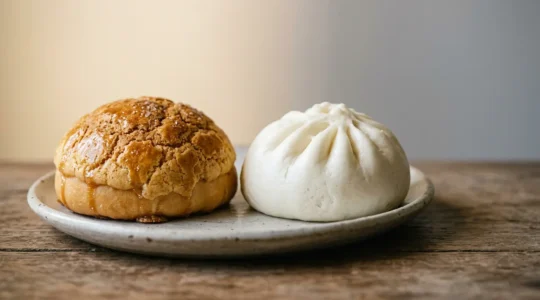
Baked vs Steamed Pork Buns: Which Style Is the True Hong Kong Staple?
The choice between baked and steamed pork buns isn’t just about texture—it’s a dialogue between two opposing baking philosophies. Steamed buns prioritize ‘dough integrity’ through gentle, moist heat, resulting in a pure, yielding softness. Baked buns use ‘glaze chemistry’ and…
Lire la suite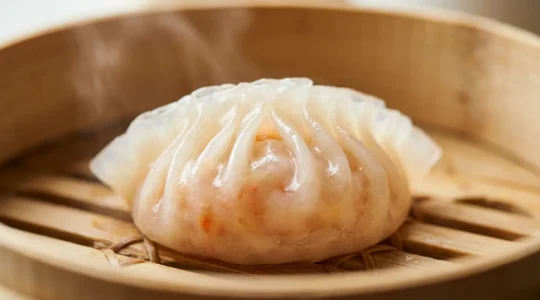
How to Tell If a Shrimp Dumpling Skin Is Too Thick or Just Right?
A perfect har gow is not a matter of opinion; it’s a technical pass/fail exam based on non-negotiable standards. The skin must possess a precise balance of translucency and elasticity, achieving the coveted bouncy, chewy texture known as the ‘QQ’…
Lire la suite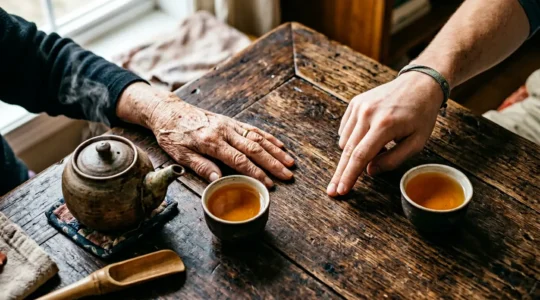
Why Do People Tap Their Fingers on the Table When Tea Is Poured?
That two-finger tap for tea is more than « thank you »; it’s a secret bow to a disguised emperor, a piece of living history played out on your table. The gesture, or « finger kowtow, » originated with the Qianlong Emperor to allow…
Lire la suite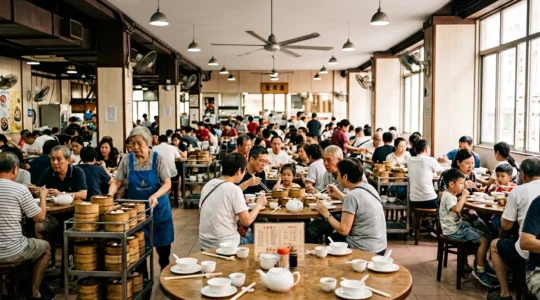
How to Conquer the Dim Sum Trolleys at City Hall Maxim’s Palace
Forget polite waiting; mastering traditional trolley dim sum is a competitive sport, not a passive restaurant meal. Success depends on strategic positioning and reading social cues, not asking for a menu. The noise and chaos (yeet nao) are signs of…
Lire la suite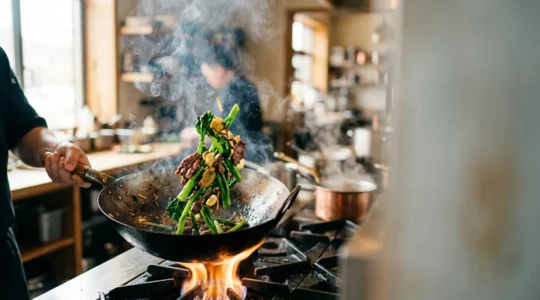
What Is « Wok Hei »? A Chef’s Guide to Tasting the Soul of the Wok
Most believe « wok hei » is just a smoky flavor. In truth, it’s the ultimate expression of a Cantonese chef’s mastery over extreme heat, a philosophy of controlled violence that creates unparalleled aroma and texture. This culinary ideal of intense energy…
Lire la suite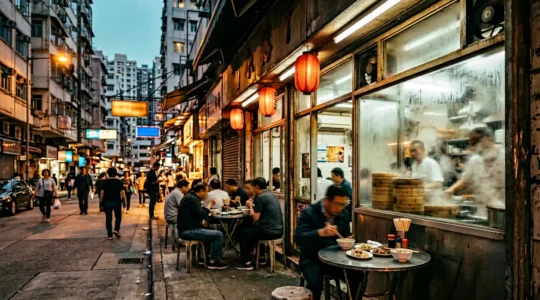
How to Eat at a Michelin-Starred Restaurant in Hong Kong for Under £15
Securing a Michelin-starred meal in Hong Kong for less than the price of a London takeaway is entirely possible, but it requires decoding the city’s unique, high-efficiency dining culture. Success lies not in just finding the right restaurant, but in…
Lire la suite