Blog
Hong Kong is a city defined by its dramatic contrasts. Visitors are routinely swept from the quiet, incense-filled courtyards of ancient temples straight into the hyper-modern, air-conditioned labyrinths of towering shopping malls. Navigating this dynamic metropolis requires more than just a standard itinerary; it demands an understanding of unique cultural nuances, specific logistical quirks, and an intense subtropical climate.
For many travelers, the initial culture shock is sensory. The thick humidity, the dense crowds, and the mesmerizing rituals observed in sacred spaces can feel overwhelming. Yet, beneath the surface chaos lies a highly efficient system that is remarkably accessible to international visitors who know what to expect. By mastering the fundamentals of local etiquette, connectivity, and environmental adaptation, exploring the territory becomes significantly more rewarding.
This overview delves into the core aspects of a successful Hong Kong journey. From respecting centuries-old traditions to troubleshooting modern technology and surviving the formidable summer heat, these foundational insights will equip you to navigate the city with confidence and ease.
Understanding Temple Culture and Incense Offerings
Sacred spaces in Hong Kong are not mere tourist attractions; they are active, deeply integrated parts of daily local life. When you step into a traditional sanctuary, you are immediately enveloped by an atmosphere rich with symbolism and heavy with aromatic smoke.
The Significance of Incense Coils
One of the most striking visual elements in these sanctuaries is the presence of massive, spiraling incense coils hanging from the ceiling. These are not merely decorative. Devotees purchase these coils to ensure continuous prayer. Because a large coil can burn for several weeks, it represents a lasting petition for health, prosperity, or protection. Locals hold a deep-rooted belief that the rising smoke acts as a physical medium, carrying their personal messages and prayers directly to the heavens.
If you wish to participate respectfully, selecting the right offering is key. Tourists are generally welcome to burn standard sandalwood sticks. It is advisable to avoid purchasing oversized or ostentatiously colored incense, as simple, modest offerings are considered more appropriate and respectful of the space’s spiritual focus.
Health and Safety in Sacred Spaces
While the atmosphere is undeniably mystical, the dense concentration of burning materials can present physical challenges. The heavy smoke trapped beneath temple roofs contains particulate matter that can easily trigger asthma attacks or respiratory distress in sensitive travelers.
- Limit your time inside the main altar halls if you are prone to respiratory issues.
- Visit early in the morning when the crowds are thinner and the air is comparatively clearer.
- Step out into the open-air courtyards frequently to catch your breath.
Mastering Temple Photography in Low Light
The interplay of deep shadows, glowing embers, and streams of sunlight piercing through thick smoke makes Hong Kong temples a paradise for photographers. However, capturing this environment respectfully and technically is a unique challenge.
Techniques Without a Tripod
Tripods are generally frowned upon—and often outright banned—in crowded places of worship because they obstruct the flow of devotees. To photograph incense coils in low light without specialized stabilization, you must rely on environmental support and camera settings.
Bracing your body against a solid architectural pillar can significantly reduce camera shake. Opt for a wide aperture (such as f/1.8 or f/2.8) to let in maximum light, and do not be afraid to push your ISO higher. While a high ISO introduces grain, a sharp, grainy image of a glowing coil is always preferable to a blurry one.
Enhancing « GodRays » in Post-Production
Those majestic beams of light cutting through the smoke, often referred to as God rays, can be emphasized during the editing process to recreate the mystical atmosphere you experienced in person.
- Increase the overall contrast slightly to separate the light beams from the dark background.
- Use a radial filter or local adjustment brush directly over the light rays to boost the highlights and whites.
- Slightly lower the black point to ensure the shadows remain deep and moody, making the light pop.
- Enhance the warmth (yellow/orange tones) to accentuate the natural color of the incense embers.
Connectivity and Daily Logistics for International Visitors
Seamless navigation relies heavily on your smartphone. Fortunately, the region boasts world-class telecommunications infrastructure, though there are specific details international visitors must grasp to stay connected and safe.
Internet Access and Censorship
A common misconception involves internet restrictions. Unlike mainland China, Hong Kong operates under a different digital framework. You do not need a VPN to access major platforms like Google, Facebook, or WhatsApp. The open internet remains accessible to everyone.
For mobile data, picking up a tourist SIM card is highly recommended. The most convenient option is to purchase one at a 7-Eleven convenience store upon arrival. These packages offer generous data allowances tailored for short-term visitors. While the government provides a free public network named Wi-Fi.HK across many parks and buildings, its reliability varies. It is sufficient for sending text messages or checking maps, but it frequently drops out during high-bandwidth activities like video calls.
Power Outlets, Water, and Emergencies
Understanding basic daily utilities prevents minor inconveniences from becoming major headaches.
- Power Outlets: The electrical grid uses the UK-style three-pin rectangular plug (Type G). If you are traveling from North America or Europe, you will absolutely need a plug adapter.
- Tap Water: While the water leaving the treatment plants is strictly regulated and safe to drink, the plumbing in older buildings can introduce impurities. It is generally advised for tourists to boil tap water before consuming it or to rely on filtered and bottled water.
- Emergency Contacts: In the event of a crisis requiring police, fire, or ambulance services, the universal emergency number to dial is 999.
Surviving the Subtropical Climate and Extreme Humidity
The local climate is arguably the most demanding aspect of the trip. During the long summer months, temperatures routinely exceed 33°C, compounded by a suffocating humidity level that often hovers around 90%. Proper environmental management is essential for your comfort and health.
Wardrobe Choices and Temperature Shifts
Dressing for this environment requires a strategic approach. While cotton is traditionally favored for warm weather, it absorbs sweat and retains moisture, clinging uncomfortably to the skin in 90% humidity. Instead, modern synthetic blends designed for moisture-wicking and quick drying are vastly superior for outdoor exploration, allowing your skin to breathe.
Paradoxically, you must also pack for the cold. You need a cardigan or light jacket even when it is sweltering outside because indoor spaces—shopping malls, restaurants, and the MTR subway—blast their air conditioning to near-freezing temperatures. This aggressive cooling prevents mold growth in the humid environment and is culturally associated with luxury, but the constant shift from extreme heat to artificial cold can be jarring.
Hydration and Heat Management
Prolonged exposure to the intense urban heat island effect can quickly lead to heat exhaustion or painful heat rash. Preventing heat rash involves wearing loose-fitting, breathable clothing and taking frequent breaks in air-conditioned spaces to allow your skin to cool and dry.
If you plan on hiking the territory’s famous trails, plain water is not enough. The immense volume of sweat produced depletes your body of essential minerals. Beverages like Pocari Sweat are highly recommended over regular water because they are specifically formulated to quickly replenish the electrolytes and sodium lost to heavy perspiration.
For those looking to escape the heat entirely, the city operates several exceptional public swimming pools. Facilities in the city center, such as the Kowloon Park Swimming Pool, offer massive outdoor and indoor spaces that provide an affordable and refreshing sanctuary from the midday sun.
Navigating Severe Weather
The region is prone to severe tropical cyclones, locally known as typhoons. The local observatory uses a numbered warning system that dictates daily life. If a T8 Signal (or higher) is hoisted, it means gale or storm-force winds are expected. For travelers, a T8 signal indicates an immediate lockdown: public transport halts, businesses shut down, and flights are grounded or diverted. Your only course of action is to remain safely indoors at your hotel until the signal is officially lowered.
Traveling to this remarkable destination requires balancing a deep respect for ancient traditions with a practical approach to modern logistics and extreme weather. By understanding the cultural weight of temple rituals, securing reliable connectivity, and respecting the demands of the subtropical climate, you ensure a safe, enriching, and unforgettable experience.
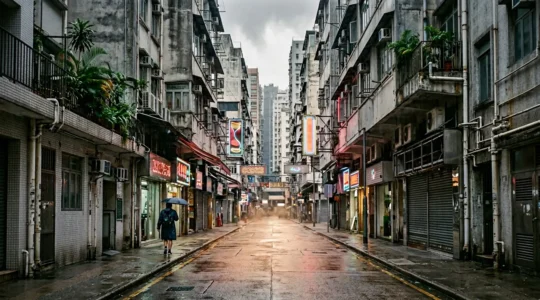
How to Prevent Heat Rash While Exploring Hong Kong: A Dermatologist’s Survival Guide
The key to preventing heat rash in Hong Kong’s humidity is not just about staying cool; it’s about actively managing the moisture trapped against your skin. Your choice of fabric is more critical than its color; synthetic moisture-wicking materials outperform…
Lire la suite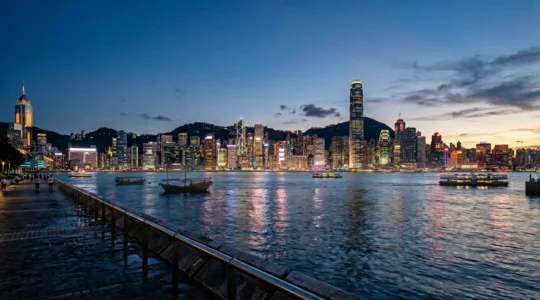
Hong Kong Travel Essentials: Your Guide to SIM Cards, Wi-Fi, Power, and More
In summary: Your UK plugs (Type G) will work directly in Hong Kong without an adapter. For connectivity, purchasing a tourist SIM card from a 7-Eleven is reliable, but be prepared for mandatory passport registration. The free « Wi-Fi.HK » service is…
Lire la suite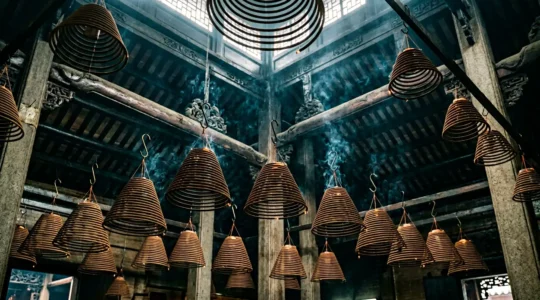
How to Photograph Incense Coils in Low Light Without a Tripod?
The secret to sharp, atmospheric temple photos without a tripod isn’t a magic setting, but a holistic system combining physical stability with intentional camera technique. Master physical bracing by using your body and environment as a human tripod for enhanced…
Lire la suite