Visit Hong Kong
Hong Kong is a city of striking dualities, where ancient feng shui principles dictate the shape of hyper-modern skyscrapers, and serene Buddhist monasteries sit just a stone’s throw from bustling, neon-lit street markets. For many travelers, this dynamic metropolis serves as a mere transit hub, but those who take the time to explore its depths discover a destination rich in cultural heritage, culinary excellence, and surprising natural beauty.
Whether you are planning a strategic layover en route to Australia, an architectural tour of the iconic Central district, or a hiking expedition through UNESCO-protected geological wonders, understanding the nuances of this territory is key to a successful trip. This comprehensive resource will guide you through the essential aspects of visiting Hong Kong, helping you navigate its contrasting landscapes with the confidence of a seasoned traveler.
Making the Most of a Hong Kong Stopover
Due to its strategic location, Hong Kong is frequently chosen as a layover destination. However, deciding how to spend a limited amount of time here requires careful planning to maximize the experience without succumbing to travel fatigue.
Strategic Advantages Over Other Hubs
When flying long-haul, particularly from Europe to Australasia, travelers often debate between stopping in the Middle East or Asia. A Hong Kong stopover offers distinct advantages for adjusting to shifting circadian rhythms. The local time zone provides a smoother transition for jet lag management compared to Dubai, allowing your body to acclimate more naturally before the final leg of your journey. Furthermore, compared to the meticulously curated environment of Singapore, Hong Kong offers a more organic, fast-paced street energy that many find deeply invigorating after a long flight.
Budgeting and Time Management
It is entirely possible to experience the essence of the city even on a tight schedule and budget. If you are aiming to spend less than £100 per day during a layover, strategic choices are essential:
- Transportation: Utilize the highly efficient MTR (Mass Transit Railway) and the iconic Star Ferry, which costs mere pennies but offers million-dollar views.
- Dining: Swap high-end restaurants for local cha chaan tengs (traditional cafes) or Michelin-recommended street food stalls in Mong Kok.
- Sightseeing: Prioritize free or low-cost public viewing decks over expensive tourist traps.
Even with just 12 hours, a well-planned itinerary can comfortably encompass a morning visit to The Peak for panoramic views, followed by an afternoon trip to Lantau Island to see the iconic Big Buddha.
Decoding the Iconic Hong Kong Skyline
The Hong Kong skyline is not merely a collection of tall buildings; it is a canvas reflecting the region’s economic history, architectural innovation, and deeply rooted cultural beliefs.
Feng Shui Battles and Architectural Marvels
For architecture buffs, the Central district is an open-air museum. The design of modern skyscrapers here is heavily influenced by traditional feng shui principles. A prime example is the famous « battle » between the Bank of China Tower and the HSBC Main Building. When I.M. Pei designed the Bank of China Tower with sharp, triangular edges (often compared to a cleaver), it challenged traditional beliefs by allegedly projecting negative energy. In response, the HSBC Building—famous for having no internal supporting columns to allow positive energy to flow—installed crane-like structures on its roof that resemble cannons, pointing directly back at the Bank of China to deflect the bad luck.
Other notable structures include Jardine House, instantly recognizable by its circular « porthole » windows, which were specifically designed to be stronger than rectangular ones to withstand typhoons, while also resembling coins for prosperity.
Rooftop Views and Skyline Preservation
To truly appreciate the verticality of the city, visiting a rooftop bar is a rite of passage. While establishments like Ozone and Sevva charge premium prices for cocktails, the investment is often justified by the unparalleled vantage points they offer, especially during the nightly skyline light shows. However, this brilliant illumination comes with ecological considerations; recently, there has been growing awareness regarding how the intense skyline lighting impacts migratory birds during autumn, prompting discussions on sustainable urban lighting.
Another fascinating aspect of Hong Kong’s ongoing development is the continued use of bamboo scaffolding. Despite being one of the most technologically advanced cities in the world, local construction still relies on bamboo because it is lighter, cheaper, and faster to assemble than steel, demonstrating a perfect marriage of ancient technique and modern necessity.
Finding Serenity: Temples and Monasteries
Amidst the concrete jungle, Hong Kong harbors pockets of profound tranquility. These spiritual sites offer a necessary respite from the relentless pace of urban life.
The Big Buddha and Lantau Island
The Tian Tan Buddha, affectionately known as the Big Buddha, sits majestically on Lantau Island. Arriving before 10 AM is the best strategy to beat the heavy crowds. The journey itself is an experience, especially if you opt for the glass-bottom crystal cabin on the Ngong Ping cable car. While the 268 steps to the statue can be a cardiovascular challenge, taking them at a steady pace makes the climb manageable for most fitness levels. Inside the base of the statue, visitors can find a memorial hall, and nearby, the Po Lin Monastery serves a renowned vegetarian lunch that perfectly complements the spiritual excursion.
Urban Oases: Chi Lin Nunnery and Man Mo Temple
You do not need to leave the city to find peace. The Chi Lin Nunnery in Kowloon is an architectural masterpiece built entirely without the use of nails, utilizing traditional Chinese interlocking wooden brackets. The background of towering skyscrapers actually enhances the nunnery’s serenity by creating a striking visual contrast. When visiting, adherence to a modest dress code is required to maintain the sacred atmosphere.
On Hong Kong Island, the Man Mo Temple on Hollywood Road is shrouded in the thick, fragrant smoke of massive incense coils. It is a favorite spot for students who flock here before exams to touch the golden pens, seeking academic success from the God of Literature. Visitors are welcome to make a sesame oil donation, though families with small children should note that the dense smoke can sometimes be intense.
The Ten Thousand Buddhas
Located in the New Territories, the Ten Thousand Buddhas Monastery is paradoxically not an actual monastery, as there are no resident monks. The steep path leading to the complex is lined with thousands of uniquely posed, gold-painted statues. A practical tip for the climb: keep food hidden, as wild macaques frequently patrol the path and are known to boldly snatch snacks from unsuspecting tourists.
Escaping the Concrete Jungle: Nature and Parks
Beyond the neon signs lies a surprising expanse of lush green mountains, secluded beaches, and geological wonders, proving that Hong Kong is as much an outdoor destination as it is an urban one.
The UNESCO Global Geopark
A visit to the Sai Kung Volcanic Rock Region reveals spectacular hexagonal rock columns. Unlike the dark basalt of the Giant’s Causeway in Northern Ireland, Hong Kong’s columns are made of light-colored acidic volcanic rock, making them geologically unique on a global scale. Taking a boat tour is the most effective way to see the dramatic sea arches, while the relatively flat High Island Geo-trail offers a family-friendly walk with stunning reservoir views.
Urban Parks and Harbourfronts
For those seeking green space within the city limits, the West Kowloon Art Park is a premier destination. It is one of the few genuinely pet-friendly parks in the territory and offers spectacular acoustics during outdoor jazz festivals. It is the perfect location to plan a sunset picnic, with uninterrupted views of the Victoria Harbour. Alternatively, the Central Harbourfront provides one of the best flat running routes in the city, allowing joggers to exercise alongside the iconic Star Ferry piers.
Navigating Street Markets Like a Local
No visit to Hong Kong is complete without experiencing the sensory overload of its vibrant street markets. From fashion to food, these bustling arteries offer a glimpse into the daily lives of locals.
Shopping Strategies and Sizing
Mong Kok is the epicenter of street market culture. On Fa Yuen Street, famously known as Sneaker Street, shoppers can find rare footwear. To avoid counterfeit goods, it is advisable to stick to the brick-and-mortar stores rather than temporary stalls. When shopping at the Ladies’ Market, haggling is expected; a good rule of thumb is to counteroffer at roughly half the initial asking price and negotiate from there.
Western travelers should be aware of local sizing challenges. Finding shoes above a men’s size 12 or clothing in XL can be difficult in local markets, as Asian sizing standards are generally smaller and narrower. It is often better to rely on international brand flagship stores in Central or Causeway Bay for larger sizes.
Safety and Street Food
Hong Kong is statistically one of the safest major cities in the world, making it generally safe to shop in Mong Kok markets alone even after 10 PM. However, petty crime like pickpocketing can occur in dense crowds. Be aware of common distraction techniques, such as someone « accidentally » bumping into you or dropping items at your feet, and always keep valuables in front pockets or secure bags.
Finally, exploring the street food is mandatory. Look for stalls with long lines of locals—high turnover ensures freshness. Classic treats like egg waffles, curry fish balls, and pineapple buns are generally safe and provide an authentic taste of the city’s culinary heritage.
By understanding the rich tapestry of its history, respecting its cultural norms, and knowing how to navigate its diverse neighborhoods, your visit to Hong Kong will transform from a simple stopover into a deeply memorable travel experience.
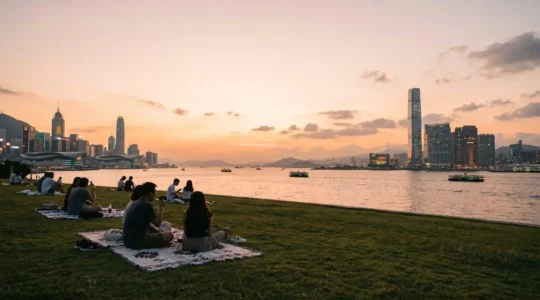
The Art of the Perfect Sunset Picnic: Your Guide to West Kowloon Art Park
The ultimate West Kowloon sunset picnic isn’t just about food and a blanket; it’s an exercise in experience curation. Success lies in layering activities: pair your picnic with a visit to a world-class museum, a jazz performance, or even a…
Lire la suite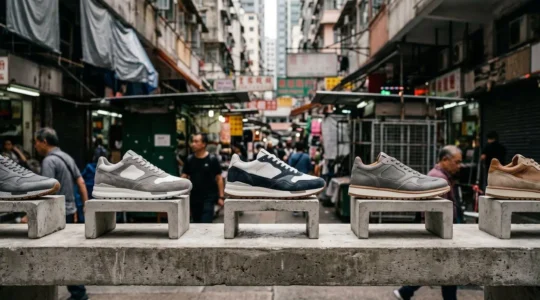
How to Hunt for Grails on Fa Yuen Street—and Not Get Scammed
Forget everything you’ve heard about ‘bargaining’—surviving Sneaker Street is an authentication mission, not a haggling contest. Success isn’t about getting 50% off; it’s about distinguishing a legitimate grey market steal from a high-quality fake. The environment—from the crowds to the…
Lire la suite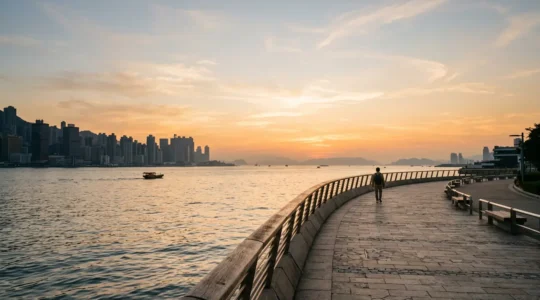
A Planner’s Guide: Mastering the Walk from Star Ferry to the West Kowloon Cultural District
The walk from Tsim Sha Tsui’s Star Ferry to the West Kowloon Cultural District is often seen as a frustrating journey of dead ends and disconnected paths. This guide reframes the challenge from an urban planner’s perspective, revealing the route…
Lire la suite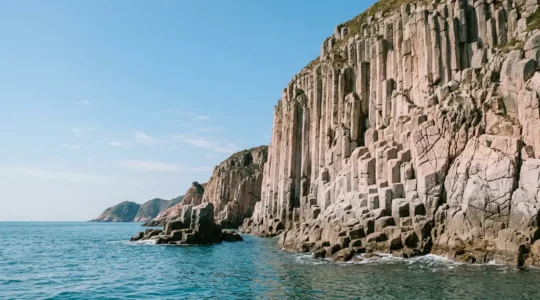
A Geologist’s Guide to Hong Kong’s World-Class Hexagonal Columns
The most crucial takeaway is that Hong Kong’s hexagonal columns are geologically rarer and more magnificent than many world-famous counterparts, but accessing this remote wonder requires strategic planning to avoid being stranded. These columns are composed of light-coloured, silica-rich rhyolitic…
Lire la suite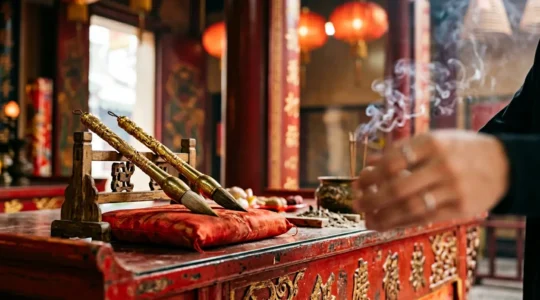
Why Do Students Flock to Man Mo Temple Before Exams?
Contrary to the view of Man Mo Temple as a place of mere superstition, its rituals serve as powerful sociological tools for Hong Kong students. This article deconstructs how these ancient practices provide tangible psychological anchors, helping to manage the…
Lire la suite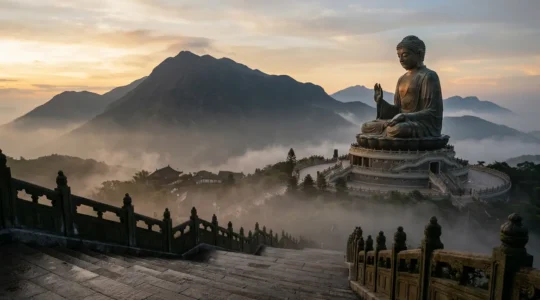
How to Actually Beat the Crowds at the Big Buddha (Before 10 AM Is Just the Start)
In summary: Arriving early is pointless without a precise counter-flow strategy; this is that strategy. The Crystal Cabin isn’t for the view, it’s for « queue arbitrage »—a tool to get you to the summit before the main crowd even starts their…
Lire la suite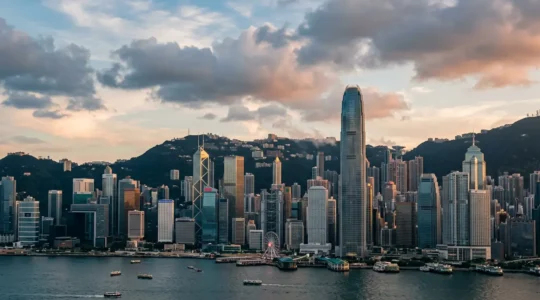
Why These Hong Kong Towers? An Engineer’s Guide for the Architecturally Curious
The iconic forms of Hong Kong’s skyline are not mere aesthetic whims; they are elegant solutions to immense structural challenges. This guide deconstructs key skyscrapers to reveal how engineering necessity—from managing typhoon winds to integrating cultural beliefs—dictated their world-famous designs….
Lire la suite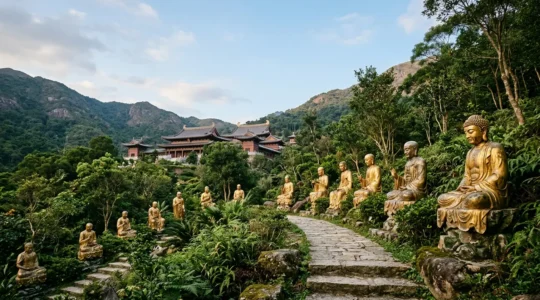
Where to Find Large Buddha Statues in Hong Kong Besides Lantau Island?
The most profound experiences with Hong Kong’s religious statues are found not in the shadow of the biggest, but in understanding the stories of the many. The Ten Thousand Buddhas Monastery is a unique, layman-built complex, not a traditional monastery,…
Lire la suite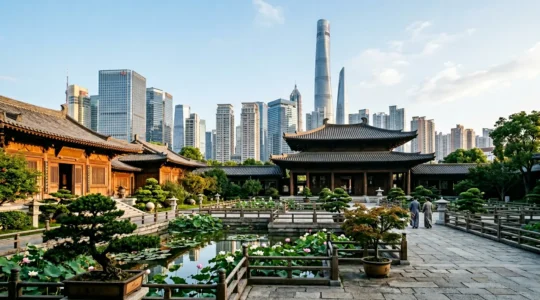
How to Escape the City Noise at Chi Lin Nunnery Without Leaving Kowloon?
The secret to escaping city noise at Chi Lin Nunnery isn’t just finding a quiet corner; it’s understanding that the entire complex is meticulously engineered to guide your mind from chaos to calm. The nail-free wooden architecture isn’t just aesthetic;…
Lire la suite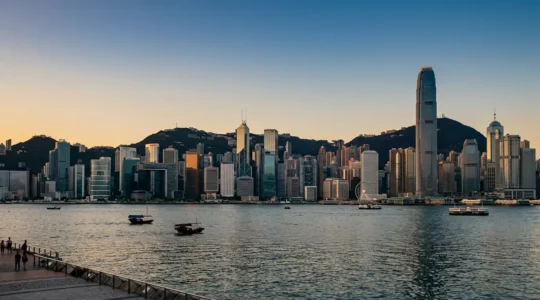
Beyond the Façade: Decoding the Architectural History of Hong Kong’s Skyline
The Hong Kong skyline is an architectural text written in steel and glass, narrating a complex story of conflict between Western modernism and ancient Chinese metaphysics. Iconic buildings like the HSBC Main Building and the Bank of China Tower are…
Lire la suite