Activities and Leisure
When planning an itinerary in a world-class metropolis, visitors often imagine an endless concrete jungle. However, the true magic of this destination lies in its astonishing duality. Engaging in local activities and leisure means navigating a fascinating spectrum that ranges from ultra-modern luxury and neon-lit street markets to pristine hiking trails and secluded beaches. Understanding this delicate balance is the key to unlocking an unforgettable experience.
Many travelers arrive with a narrow view, expecting only towering skyscrapers and bustling financial districts. Yet, with nearly 40% of the territory designated as protected country parks, the leisure landscape is vastly more diverse than the postcards suggest. Whether you are a photography enthusiast chasing the perfect sunset, a bargain hunter ready to negotiate in vibrant street stalls, or a nature lover seeking a serene mountain sunrise, mastering the local terrain requires a blend of preparation and cultural awareness.
This comprehensive resource is designed to demystify the myriad of activities available. By delving into the nuances of urban exploration, outdoor adventures, and traditional entertainment, you will gain the insights needed to step off the beaten path, avoid common tourist pitfalls, and experience the destination like a seasoned local.
Mastering the Skyline: Photography and Panoramic Views
Capturing the essence of a vertical city requires more than just pointing a camera at the horizon. The iconic skyline is a dynamic canvas, constantly shifting with the weather, the time of day, and the vantage point. To truly elevate your photography, understanding the geographical layout and environmental factors is essential.
Perfecting Harbour and Night Photography
Victoria Harbour is undeniably the visual centerpiece of the city. However, securing a clear, crowd-free photograph, especially during the famous Symphony of Lights, requires strategic timing. Many visitors fail to get clear shots in the spring due to the thick coastal fog and humidity that roll in off the South China Sea. To maximize your chances of a crisp image, setting up your tripod well before twilight is crucial.
- Vantage Points: The Kowloon side offers the classic, sweeping view of the island’s skyscrapers, while the Hong Kong Island side provides a fascinating, closer look at the bustling maritime traffic.
- Waterborne Photography: Choosing between traditional vessels like the Star Ferry and the red-sailed Aqua Luna depends on your goal. The former offers a raw, utilitarian perspective, while the latter provides a stabilized, luxurious platform for long-exposure night shots.
- Avoiding Crowds: Instead of fighting for space on the main promenades, seek out lesser-known spots, such as secret parking rooftops or the public viewing decks of lesser-known commercial towers.
Reaching the Ultimate Vantage Points
While paying for standard observation decks like the Sky100 can be worthwhile on a perfectly clear day, the city is full of elevated viewpoints that cost nothing. The topography is essentially a layered cake of viewing platforms, rewarding those willing to walk a little further.
For instance, the Lugard Road circular walk offers a phenomenal, unobstructed panorama of the city and harbour without the steep price tag of commercial terraces. Similarly, institutions like the HKMA Information Centre provide free, high-rise views in a tranquil, air-conditioned environment. For the ultimate sunset shot, navigating the short but rewarding path to the Braemar Hill viewpoint yields a spectacular, sun-drenched cityscape that commercial tours rarely reach.
Navigating the Labyrinth: Street Markets and Retail Culture
The local retail scene is a thrilling exercise in contrast. In a single afternoon, you can transition from haggling over vintage kitchenware in a smoky street market to queuing for the latest haute couture in a pristine, air-conditioned mall. Understanding the unspoken rules of these very different environments will save you time, money, and stress.
Mastering the Bustling Street Markets
Street markets like Mong Kok, Temple Street, and the Ladies’ Market are sensory overloads. The noise, the crowds, and the aggressive sales tactics can be overwhelming for the uninitiated. To handle this environment without getting stressed, treat the experience as a theatrical performance rather than a standard shopping trip.
- Never accept the first price: Vendors expect you to negotiate. A good rule of thumb is to counter with half the asking price and find a middle ground.
- Identify the fakes: In districts like Sham Shui Po, distinguishing genuine electronics from clever counterfeits requires vigilance. Always check for proper packaging and ask about warranties—keep in mind that a camera bought in a grey market stall may not be covered by a warranty back in London or New York.
- Stay secure: Pickpocket tactics in crowded markets are sophisticated. Keep your valuables in front pockets and use cross-body bags with sturdy zippers.
Beyond shopping, these markets are culinary and cultural hubs. Eating traditional claypot rice at street stalls is a must-do, provided you ensure the dish is served piping hot to avoid an upset stomach. You might also encounter fortune tellers; while some cater exclusively to locals, several can provide surprisingly accurate, atmospheric readings in English.
From Tech Bargains to High Society Shopping
On the opposite end of the spectrum is the luxury retail market. Areas like Tsim Sha Tsui and Central are global capitals of high society shopping. You will often see people queuing for hours outside flagship boutiques. Is it actually cheaper to buy luxury watches or designer bags here than in Europe? The answer lies in the lack of sales tax, though fluctuating exchange rates mean you should always carefully consider whether to pay in your home currency or the local currency when using international cards.
For those looking for sustainable luxury, hidden second-hand designer bag shops in Central offer authenticated goods that rival the boutiques of the Landmark Mall in quality, if not in sheer opulence.
Escaping the Concrete: Hiking Trails and Nature Escapes
Perhaps the most shocking revelation for first-time visitors is the accessibility and ruggedness of the local hiking trails. You can transition from a subway station to a dense, monkey-filled country park in under 30 minutes. However, the tropical climate and steep inclines demand respect.
Conquering the Iconic Ridges
The famed Dragon’s Back is often touted as a beginner-friendly hike, but preparation is key. While you don’t necessarily need heavy-duty mountaineering boots, hiking it in flimsy canvas sneakers or at noon during the sweltering heat of July is a dangerous mistake. The trail offers unparalleled panoramas of Tai Tam Bay, and the best way to conclude the trek is by walking down to Big Wave Bay for a refreshing ocean swim.
For more ambitious hikers, Lantau Peak offers a grueling but immensely rewarding ascent, especially for those who time their hike to catch the sunrise. During autumn, Sunset Peak becomes a photographer’s dream, blanketed in shimmering silvergrass. While on these trails, you might encounter massive, docile water buffalo—it is crucial to give them a wide berth and observe them peacefully from a distance.
Understanding Wilderness Safety and Logistics
Navigating remote trails requires self-reliance. Public facilities are sparse, meaning you must bring all your own water and supplies. The signage on major routes like the 100km MacLehose Trail is excellently marked in English, making day-hiking specific sections highly accessible.
- Hydration: The humidity can drain your energy rapidly. Pack double the water you think you need.
- Wildlife Etiquette: In parks like Kam Shan, macaques are prevalent. Keep food hidden and avoid making direct eye contact to prevent aggressive behavior.
- Local Culture: Weekends see locals flocking to public BBQ pits within the country parks. It is a cherished communal activity that showcases a completely different side of local life.
Coastal Retreats: Remote Villages and Sandy Beaches
When the urban heat becomes oppressive, the coastline offers numerous sanctuaries. Some beaches are highly developed and easily accessible, while others require a sense of adventure to reach.
Relaxing at Accessible Beaches
Shek O Beach is arguably the most vibrant coastal village accessible for a day trip. The area is famous for its colorful houses, perfect for casual photography. When arriving, renting a parasol and beach chair is straightforward if you politely confirm the price upfront to avoid being overcharged. For lunch, deciding between spicy authentic Thai food and a traditional beachside BBQ is the hardest choice you will make. Always pay attention to the lifeguard flags; a red flag hoisted during summer indicates dangerous undertows.
Uncovering Hidden Shores and Ghost Villages
For those willing to decipher the sporadic schedules of small local ferries (Kaitos), a wealth of hidden history awaits. Exploring the ghost village of Yim Tin Tsai or hiking near the abandoned settlements of Ma Wan offers a haunting, beautiful glimpse into the region’s pre-industrial past.
If you venture to these remote beaches, be prepared for sandflies. Standard mosquito repellents often fail against them; locals recommend specialized, oil-based repellents to keep them at bay. While exploring these forgotten areas, you may even stumble upon remote village restaurants serving authentic, farm-to-table Hakka cuisine.
Immersive Cultural Entertainment
True leisure in this vibrant destination goes beyond sightseeing; it involves participating in the unique cultural rhythms of the city.
The Thrill of the Racetrack
Attending a Wednesday night horse race at Happy Valley is an electrifying experience, mixing expats and locals in a cauldron of noise, lights, and excitement. As a complete beginner, placing a bet is incredibly simple, often requiring nothing more than a tap of a ubiquitous local transit card (like an Octopus card).
The atmosphere varies depending on where you stand:
- The Public Enclosure: Here, you can stand right by the railing. The visceral thud of hooves pounding the turf under the massive floodlights is an unforgettable sensory experience.
- The Beer Garden: A highly social, relaxed area that rarely requires a reservation, perfect for mingling.
- The Member Stand: Requires strict adherence to a smart-casual dress code and offers a more refined, panoramic view of the paddock and track.
Keep in mind that there are no races in July and August due to the extreme heat and humidity, ensuring the welfare of the horses. When the final race concludes, knowing the quickest exits to the nearby subway stations will save you from the massive, albeit orderly, crowd crush.
By understanding the mechanics of these diverse activities—from the heights of the mountain trails to the depths of the neon-lit markets—you transform a standard vacation into an immersive journey. Whether you are seeking high-octane thrills or quiet moments of natural beauty, this destination offers an unparalleled spectrum of leisure experiences.
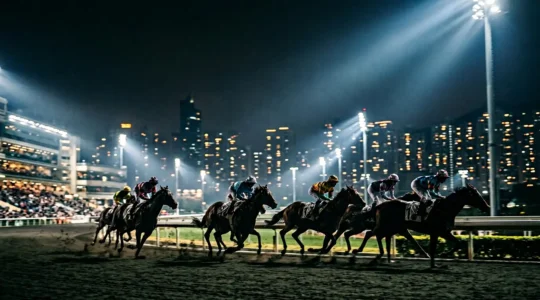
How to Photograph the Electric Soul of Happy Valley: A Guide Beyond the Finish Line
In summary: Shift your goal from capturing a sharp photo of a horse to capturing the chaotic, electric atmosphere of the race night. Use specific camera techniques like panning, slow shutter speeds, and managing mixed lighting to tell a sensory…
Lire la suite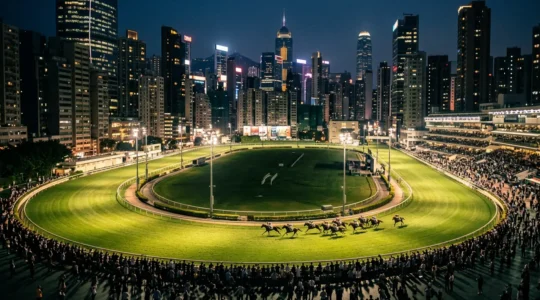
How to Bet on Horse Races at Happy Valley as a Complete Beginner?
In summary: Happy Valley is a cash-centric experience; withdraw HK$300-500 beforehand as your Octopus card is only for entry. The dress code is casual for public areas, but avoid flip-flops. Smart casual is required for members’ enclosures. The vibrant noise…
Lire la suite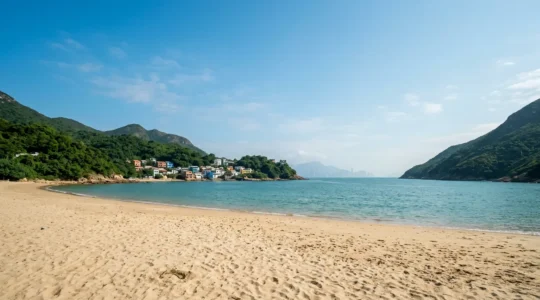
Is Shek O Beach Worth the Bus Ride for a Day Trip from Central?
The promise of Shek O is a potent one for anyone trapped within the vertical canyons of Central or Causeway Bay. A quaint village, a sweeping sandy beach, the scent of salt and charcoal—it’s the quintessential escape from Hong Kong’s…
Lire la suite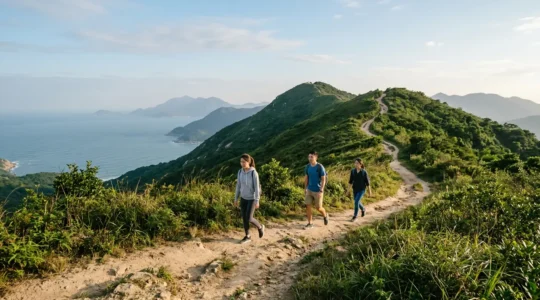
Is the Dragon’s Back Hike Suitable for Beginners with No Hiking Gear?
In summary: Yes, but its « easy » reputation is misleading for tourists. Success depends on avoiding common, non-obvious traps. The biggest risks aren’t fitness-related; they are dehydration from the exposed ridge (the « heat trap ») and slipping on the descent due to…
Lire la suite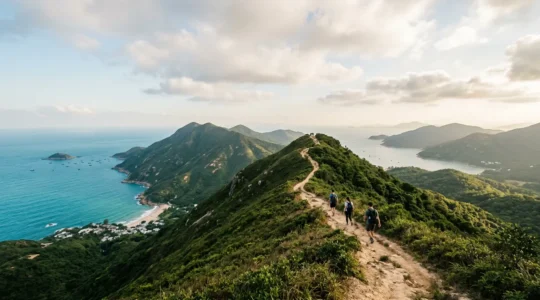
How to Hike the Dragon’s Back if You Are Not a Pro Hiker?
In summary: You don’t need professional hiking gear; essential supplies are available at the MTR station’s 7-Eleven. Your regular travel sneakers with decent grip are perfectly fine for this well-maintained trail. The path is exceptionally well-marked in English, but downloading…
Lire la suite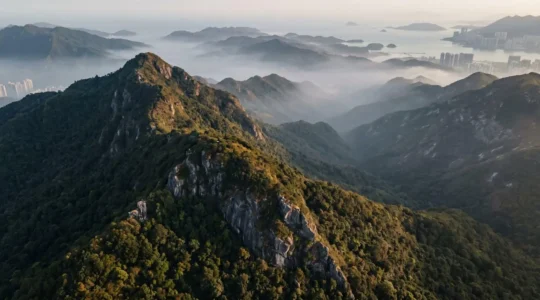
Why Is 40% of Hong Kong Territory Protected Country Park Land?
Hong Kong’s vast network of country parks is not an accident of geography but the result of a deliberate urban planning strategy designed to make extreme-density living sustainable. This « ecological-social contract » trades vertical living space for guaranteed, accessible, and protected…
Lire la suite
How to Visit the Ghost Village of Yim Tin Tsai for a Day Trip?
Visiting Yim Tin Tsai isn’t a sightseeing tour; it’s a logistical test that rewards preparation over spontaneity. Success means decoding sporadic ferry timetables, choosing the right chemical defenses against local pests, and understanding the legal line between exploring and trespassing….
Lire la suite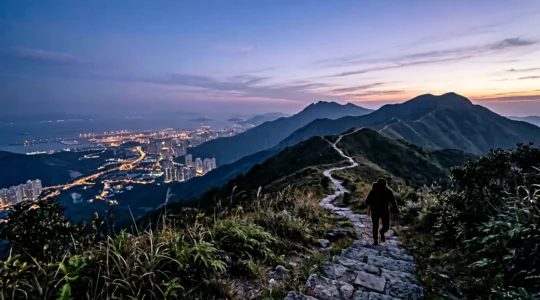
How to Conquer the Lantau Peak Sunrise Hike—Without Camping
Successfully hiking Lantau Peak for sunrise goes far beyond a 3 a.m. alarm; it requires mastering the unwritten rules of Hong Kong’s trails. Logistical challenges like the extreme scarcity of Lantau’s blue taxis are the primary point of failure, not…
Lire la suite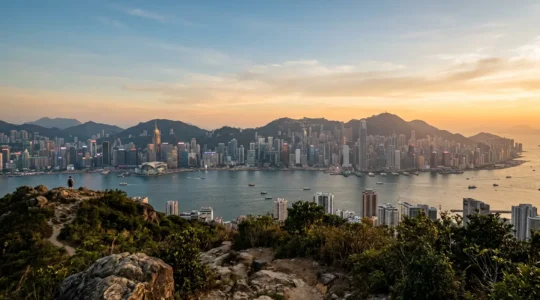
Where Can You Get Peak-Level Views Without Paying for the Sky Terrace?
The most iconic Hong Kong views don’t require an expensive ticket; they require local knowledge. The free Lugard Road walk offers a panorama nearly identical to the paid Sky Terrace 428. Skyscrapers in Central and adventurous urban hikes provide stunning…
Lire la suite
Is It Actually Cheaper to Buy Luxury Watches in Hong Kong Than in the UK?
While Hong Kong’s tax-free environment offers significant initial discounts on luxury watches, the final « landed cost » for a UK buyer is often much closer to the UK price once hidden fees and mandatory import VAT are factored in. The absence…
Lire la suite