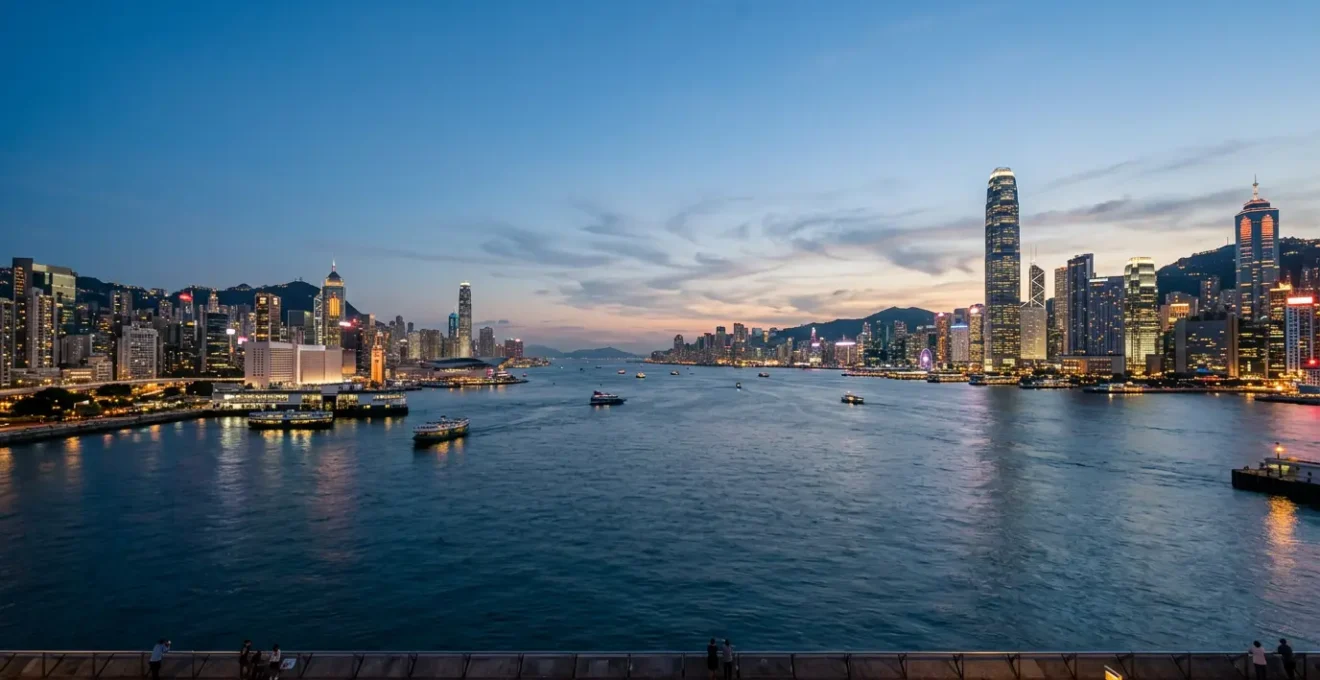
The biggest mistake first-time visitors make is choosing between Kowloon and Hong Kong Island; the real decision is understanding the city’s unique hotel ecosystem first.
- The small room size isn’t a flaw, but a function of the city’s extreme « spatial premium ».
- High cash deposits are a standard operational procedure, not a scam, driven by local business practices.
- Booking channels like Agoda and direct hotel websites offer vastly different trade-offs in price, flexibility, and fees.
Recommendation: Define your trip’s non-negotiables (quiet, space, budget, amenities) using the insights in this guide, and then let those needs dictate your ideal location.
For any first-time visitor to Hong Kong, the quintessential question looms large: should I stay on Kowloon or Hong Kong Island? Online forums and travel guides present a classic dichotomy. Kowloon is painted as the home of bustling markets, authentic grit, and stunning skyline views. Hong Kong Island, in contrast, is the world of sleek skyscrapers, high-end finance, and sophisticated nightlife. This binary choice seems like the most critical decision for your trip.
But what if this is the wrong question to ask first? As an accommodation consultant, I’ve seen countless travelers fixate on the « where » before understanding the « how » and « what » of staying in Hong Kong. The reality of the city’s hotel landscape—its unique pressures on space, its specific financial procedures, and its nuanced service levels—is far more impactful on your trip’s success than which side of Victoria Harbour you sleep on. The most strategic choice isn’t about picking a side; it’s about mastering the unwritten rules of the accommodation game.
This guide departs from the conventional wisdom. We won’t just rehash the clichés about Tsim Sha Tsui versus Central. Instead, we will dissect the very fabric of Hong Kong’s accommodation ecosystem. By understanding why rooms are the size they are, how deposits work, and what star ratings truly mean here, you will be empowered to make a much smarter decision. Your hotel is your strategic base, and choosing it correctly is the real key to unlocking the best of Hong Kong, regardless of the MTR stop.
This article provides a comprehensive look at the key questions you should be asking before booking a hotel in Hong Kong. The following sections will equip you with the insider knowledge needed to navigate the city’s unique accommodation landscape and choose the perfect base for your adventure.
Summary: A First-Timer’s Guide to Hong Kong Accommodation
- Why Are Hotel Rooms in Hong Kong So Small Compared to Western Standards?
- Why Do HK Hotels Ask for a High Cash Deposit at Check-in?
- How to Ensure Your Hotel Room Is Quiet in Such a Noisy City?
- Is It Cheaper to Book HK Hotels via Agoda or Directly with the Hotel?
- What Is the Real Difference Between a 3-Star and 4-Star Hotel in HK?
- Hong Kong or Singapore: Which City Offers More in a 2-Day Visit?
- Tsim Sha Tsui or West Kowloon: Which Shore Has the Better Night View?
- Which Hong Kong Hotels Have the Best Pools for Kids?
Why Are Hotel Rooms in Hong Kong So Small Compared to Western Standards?
The first shock for many Western travelers upon checking into a Hong Kong hotel is the size of the room. What might be considered a closet in Las Vegas is often a standard double room in areas like Mong Kok or Wan Chai. This isn’t a sign of a bad hotel; it’s a direct reflection of the city’s single most defining characteristic: an extreme spatial premium. Hong Kong is one of the most densely populated places on Earth, and every square foot is incredibly valuable real estate. Developers must maximize the number of units they can fit into a building’s footprint.
The city’s entire inventory has to be squeezed into its challenging geography. With a supply of just over 90,100 hotel rooms as of 2023 to serve tens of millions of visitors, efficiency is paramount. This has led to an incredible culture of design ingenuity, where multi-functional furniture and clever layouts are the norm. You’re not just paying for a bed; you’re paying for a meticulously designed, space-efficient pod within one of the world’s most dynamic vertical cities.
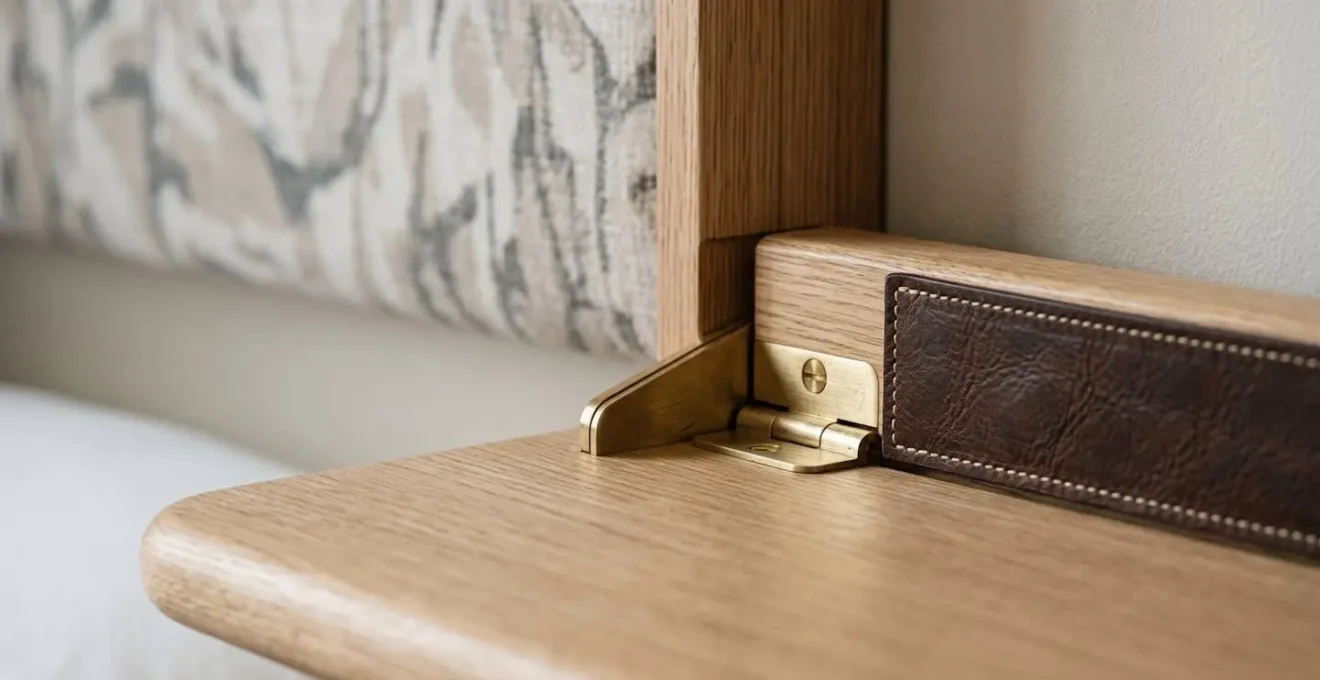
Rather than viewing the size as a drawback, it’s more productive to see it as a feature of the Hong Kong experience. It forces you out of your room and into the vibrant city. Adjusting your expectations is key. Instead of anticipating a sprawling suite, appreciate the clever engineering that allows for comfort and functionality in a compact space. Your room is a launchpad for urban exploration, not a destination in itself.
Why Do HK Hotels Ask for a High Cash Deposit at Check-in?
The second surprise for many visitors is the request for a substantial security deposit at check-in, often in cash. This can range from one night’s rate to HK$1,000 or more. While credit card holds are common worldwide, the preference for cash or a high hold amount in Hong Kong can feel disconcerting. This isn’t a scam; it’s a standard operational procedure rooted in local business logic and risk management.
Firstly, the deposit covers potential « incidentals »: mini-bar consumption, laundry services, or damage to the room. In a city with high operational costs, hotels are stringent about covering all potential revenue losses. Secondly, it’s a safeguard against new and changing local regulations that can affect a hotel’s bottom line. For instance, the government’s decision to bring back the 3% hotel accommodation tax starting in 2025 is a cost that hotels must manage, making them more cautious about securing all potential charges from guests upfront.
The preference for cash in some smaller hotels or guesthouses can also be a way to avoid credit card processing fees and the lengthy chargeback dispute process. For the traveler, this deposit logic requires preparation. Always factor the deposit into your travel budget. If paying by credit card, be aware that the hold can tie up a significant portion of your credit limit for up to two weeks after checkout. If paying cash, you’ll need to carry a larger amount of Hong Kong Dollars than you might have planned.
Action Plan: Ensuring a Smooth Deposit Return
- Before checkout, request a room inspection with hotel staff present to verify there are no disputes over incidental charges.
- Ensure you receive an itemized receipt or checkout folio showing the full deposit amount being returned or the hold being released.
- If you paid a cash deposit, have a plan for your leftover Hong Kong Dollars. You can exchange them at the airport, but rates are often better in the city.
- For credit card holds, confirm with your bank the exact timeline for the hold’s release, as it can vary from 3 to 14 business days.
- Keep all hotel confirmation emails, booking receipts, and deposit slips for at least 30 days after your stay as proof of payment and terms.
How to Ensure Your Hotel Room Is Quiet in Such a Noisy City?
Hong Kong is a city that buzzes 24/7. From the rumble of the MTR to the cacophony of street-level commerce and the endless flow of traffic, noise is an integral part of its character. However, what is vibrant during the day can be disruptive at night. For light sleepers, securing a quiet room is a top priority, and it’s a real challenge in a city where over 680,000 people are affected by significant road traffic noise alone, according to government data.
Standard soundproofing in hotels can only do so much against the ambient noise of a megacity. Therefore, being proactive is crucial. You cannot simply assume your room will be quiet. As a consultant, I advise clients to make specific requests during and after the booking process. Don’t just hope for the best; manage the outcome.
The most effective strategy is to request a room with specific characteristics. A room on a high floor is generally quieter as it is further from street-level noise. Equally important is requesting a room away from elevators and ice machines, as these are sources of internal, high-traffic noise. The golden ticket, however, is an « inward-facing » room. While you may sacrifice a stunning city view, a room overlooking an inner courtyard, air shaft, or a less busy side street will be dramatically quieter than one facing a major thoroughfare like Nathan Road or Hennessy Road.
When you make your booking, add these requests in the « special requests » field. Then, follow up with a polite email to the hotel a week before your arrival, reiterating your needs. Upon check-in, gently remind the front desk staff of your request. A little politeness can go a long way in getting them to find that hidden quiet gem in their room inventory.
Is It Cheaper to Book HK Hotels via Agoda or Directly with the Hotel?
The question of where to book your hotel is a complex one, with compelling arguments on both sides. Online Travel Agencies (OTAs) like Agoda are incredibly strong in the Asian market, often presenting headline rates that seem unbeatable. In fact, a broad analysis showed that Agoda offered the lowest rates nearly 50% of the time in Asia, a compelling statistic for any budget-conscious traveler. They leverage their massive booking volume to negotiate wholesale rates that are hard for individual travelers to access.
However, the « cheapest » price is not always the « best » value. Booking directly with the hotel offers a different set of advantages. You often get more flexible cancellation policies, a higher chance of a room upgrade (as hotels prefer to reward their direct customers), and the ability to earn points in the hotel’s loyalty program. Furthermore, direct booking ensures there are no communication mix-ups between a third-party agent and the hotel regarding your special requests, like a quiet room or late check-in.
The key is to compare the *total, final cost* and the associated benefits. An Agoda price might look lower initially, but taxes and fees are often added at the final step of checkout. A direct hotel rate may appear higher but is often all-inclusive. You must weigh the immediate cash savings from an OTA against the « soft benefits » and security of a direct booking. The right choice depends on your priorities: are you optimizing for the lowest possible price or for maximum flexibility and service?
To make an informed decision, it’s helpful to break down the specific trade-offs between the primary booking channels. The following table provides a clear comparison of what to expect when booking through an OTA versus directly with the hotel.
| Booking Method | Base Rate Visibility | Hidden Fees | Currency Conversion | Loyalty Benefits | Flexibility |
|---|---|---|---|---|---|
| Agoda | Often lower displayed rate | Taxes added at checkout | Dynamic FX may apply | AgodaCash rewards (8% avg) | Varies by rate type |
| Direct Hotel | Full transparency upfront | All-inclusive pricing | Local currency standard | Hotel loyalty points + upgrades | Better cancellation terms |
| Booking.com Mobile | Competitive in Asia | Service fees visible | Multi-currency options | Genius rewards program | Moderate flexibility |
What Is the Real Difference Between a 3-Star and 4-Star Hotel in HK?
In many Western countries, the difference between a 3-star and a 4-star hotel is often clear-cut, defined by the presence of a pool, a full-service restaurant, or room size. In Hong Kong, due to the aforementioned spatial premium, these lines are blurred. A 4-star hotel might have rooms just as small as a 3-star, and a pool is a rare luxury. The true distinction lies in the less tangible aspects: the quality of service, the level of amenities, and the overall guest experience.
A 3-star hotel in Hong Kong is typically focused on efficiency and providing a clean, safe, and well-located base for exploration. The service is professional but may be limited. You’ll have a comfortable bed and a private bathroom, but not much else. There might not be 24-hour reception, room service is unlikely, and the front desk staff are there to facilitate check-in and check-out, not to act as a full-service concierge.
Moving up to a 4-star hotel, you’re paying for a higher level of service tiers. This is where the difference becomes apparent. You can expect:
- A dedicated concierge: Someone who can book tours, recommend restaurants, and solve complex travel problems, not just hand you a map.
- Higher staff-to-guest ratio: More attentive service, faster check-in, and more readily available staff to assist you.
- Superior amenities: The quality of the bedding, the brand of the toiletries, the speed of the Wi-Fi, and the quality of the breakfast buffet are all noticeably better. While a 3-star might offer a basic continental breakfast, a 4-star will likely provide a full spread with live cooking stations.
- 24/7 services: Round-the-clock reception, room service, and often an on-site gym are standard expectations for a 4-star property.
In essence, you are paying for a smoother, more comfortable, and more supported experience. The choice depends on your travel style. If you are an independent traveler who just needs a place to sleep and will be out all day, a 3-star is a smart, economical choice. If you value attentive service, a bit of pampering, and the convenience of on-site amenities after a long day of exploring, the upgrade to a 4-star is often well worth the investment.
Hong Kong or Singapore: Which City Offers More in a 2-Day Visit?
Before even diving into the Kowloon vs. Hong Kong Island debate, some travelers with limited time face a bigger question: Hong Kong or Singapore for a whirlwind 48-hour layover? Both are world-class Asian hubs, but they offer fundamentally different short-trip experiences. Singapore is known for its immaculate cleanliness, lush greenery, and structured attractions. It’s a city you can tour. Hong Kong, on the other hand, is a city you experience.
The unique advantage of Hong Kong for a short visit is its incredible density and chaotic energy. The city packs an astonishing variety of experiences into a very small, accessible area. This is a point highlighted by travel experts who understand the city’s rhythm. As one guide from Asian Itinerary puts it, « Hong Kong is the champion of density. In 48 hours, you can experience a Kowloon market, hike a mountain trail on HK Island, and eat at a world-class restaurant. »
This « compressional » nature is Hong Kong’s superpower. The world-class MTR system can whisk you from the gritty street markets of Mong Kok to the serene hiking trails of Dragon’s Back on Hong Kong Island in under an hour. You can have a Michelin-starred dim sum lunch in Central and then be on a ferry to explore the temples of a remote island an hour later. Singapore’s attractions, while excellent, are often more spread out and require more dedicated time to appreciate fully.
For a 2-day visit, Hong Kong offers a more intense, varied, and sensory-rich experience. If your goal is to see, do, and taste as much as possible in a short amount of time, Hong Kong’s frenetic, hyper-condensed environment is unmatched. It may be less relaxing than a stroll through Gardens by the Bay, but it’s an exhilarating urban adventure that leaves a lasting impression.
Tsim Sha Tsui or West Kowloon: Which Shore Has the Better Night View?
For decades, the Tsim Sha Tsui (TST) promenade was the undisputed champion for viewing Hong Kong Island’s iconic skyline. It’s the classic, postcard-perfect vantage point. However, with the recent development of the West Kowloon Cultural District, a new contender has emerged, offering a completely different viewing experience. The choice between TST and West Kowloon is no longer just about location; it’s about the kind of atmosphere you want.
The TST promenade, particularly the Avenue of Stars, offers a front-row, in-your-face experience. You are right on the water, close to the action. The buildings of Central and Wan Chai loom large across the harbour, and you feel immersed in the energy of the city. This is particularly true during the nightly light show, where the synchronized speakers along the promenade pull you into the spectacle. The downside is the crowds; it’s almost always packed, and finding a good spot for photos without someone’s head in your shot can be a challenge.
The West Kowloon Art Park, on the other hand, offers a more relaxed, panoramic, and arguably more photogenic perspective. Being slightly further away, the view is wider, allowing you to capture the entire sweep of the Hong Kong Island skyline from west to east. The grassy lawns and open spaces provide a tranquil atmosphere, perfect for a picnic while you wait for the sunset. It’s a place to breathe and appreciate the skyline’s grandeur from a peaceful distance.
Case Study: The Symphony of Lights Experience
The Symphony of Lights, a nightly spectacle at 8:00 PM, perfectly illustrates this difference. The 13-minute show synchronizes lights and lasers across 44 buildings. From the Tsim Sha Tsui Promenade, visitors experience the show with synchronized music from speakers, creating an immersive, crowded, and energetic atmosphere. It’s a shared public event. From the West Kowloon Art Park, the view is more distant and serene. You see the full canvas of the light show, making it ideal for wide-angle photography. The experience is less about the synchronized audio and more about the visual spectacle in a relaxed setting, popular with cyclists and families enjoying the open space.
Ultimately, there is no single « better » view. The best choice depends on your mood. For a vibrant, energetic, and up-close encounter with the city’s pulse, head to Tsim Sha Tsui. For a peaceful, panoramic, and picture-perfect evening, the open spaces of West Kowloon are unbeatable.
Key Takeaways
- Set realistic expectations: Acknowledge Hong Kong’s « spatial premium » to appreciate the clever design of compact rooms rather than being disappointed by their size.
- Book smart: Compare the total, final cost of OTAs like Agoda against the « soft benefits » and flexibility of booking directly with hotels to find the true best value.
- Prioritize your needs: Your ideal location is determined by your trip’s purpose (e.g., quiet for a business trip, a pool for a family vacation), not by the simple Kowloon vs. Island dichotomy.
Which Hong Kong Hotels Have the Best Pools for Kids?
While the debate between Kowloon and Hong Kong Island dominates most travel planning, for families, a different question often takes precedence: where can the kids have fun? In a vertical city where green space is a luxury, a good hotel pool can be a lifesaver, providing a much-needed outlet for children’s energy. This specific need often overrides all other locational factors, becoming the primary filter for choosing a strategic base.
Hong Kong’s hotel scene is certainly not short on luxury. As a testament to its quality, publications often highlight its top-tier properties. For example, a recent industry report noted that « Two hotels in Hong Kong made it to the top five of the World’s 50 Best Hotels Award of 2024: Rosewood Hong Kong came in at number three and the Upper House was ranked fifth globally. » While these accolades speak to the city’s five-star pedigree, they don’t always translate to « family-friendly. » A stunning infinity pool for adults might be a stressful, no-splash zone for parents with young children.
The « best » pool for kids isn’t necessarily the one with the most dramatic view, but one that is part of a larger family-friendly ecosystem. Hotels that truly cater to families will often feature:
- A dedicated children’s pool: A separate, shallow area where kids can splash safely.
- Resort-style features: Some top-tier hotels, like the Fullerton Ocean Park or Hong Kong Disneyland Hotel, offer more than just a rectangular pool, with features like waterslides or lazy rivers.
- Poolside amenities: Access to inflatable toys, kids’ menus for poolside dining, and attentive staff who are welcoming to families.
- Flexible hours: Generous pool opening times that accommodate a family’s schedule.
Hotels like the JW Marriott, the Grand Hyatt, and the Kerry Hotel are often cited by traveling families for striking the right balance—offering excellent pools and a genuinely welcoming attitude towards their younger guests. When traveling with children, your search shouldn’t start with a location, but with a list of hotels that meet these specific, family-focused criteria.
Now that you are equipped with the foundational knowledge of Hong Kong’s accommodation landscape, your next step is to draft your personal « hotel brief »—a list of your non-negotiable requirements—before you begin your search for the perfect strategic base.