In summary:
- Happy Valley is a cash-centric experience; withdraw HK$300-500 beforehand as your Octopus card is only for entry.
- The dress code is casual for public areas, but avoid flip-flops. Smart casual is required for members’ enclosures.
- The vibrant noise (‘yeet nao’) is a key part of the cultural experience; embrace it as a sign of community excitement.
- Focus on understanding the paddock parade and the betting system to participate actively, not just observe.
- Prioritize experiencing the social phenomenon over just taking photos for a more memorable night.
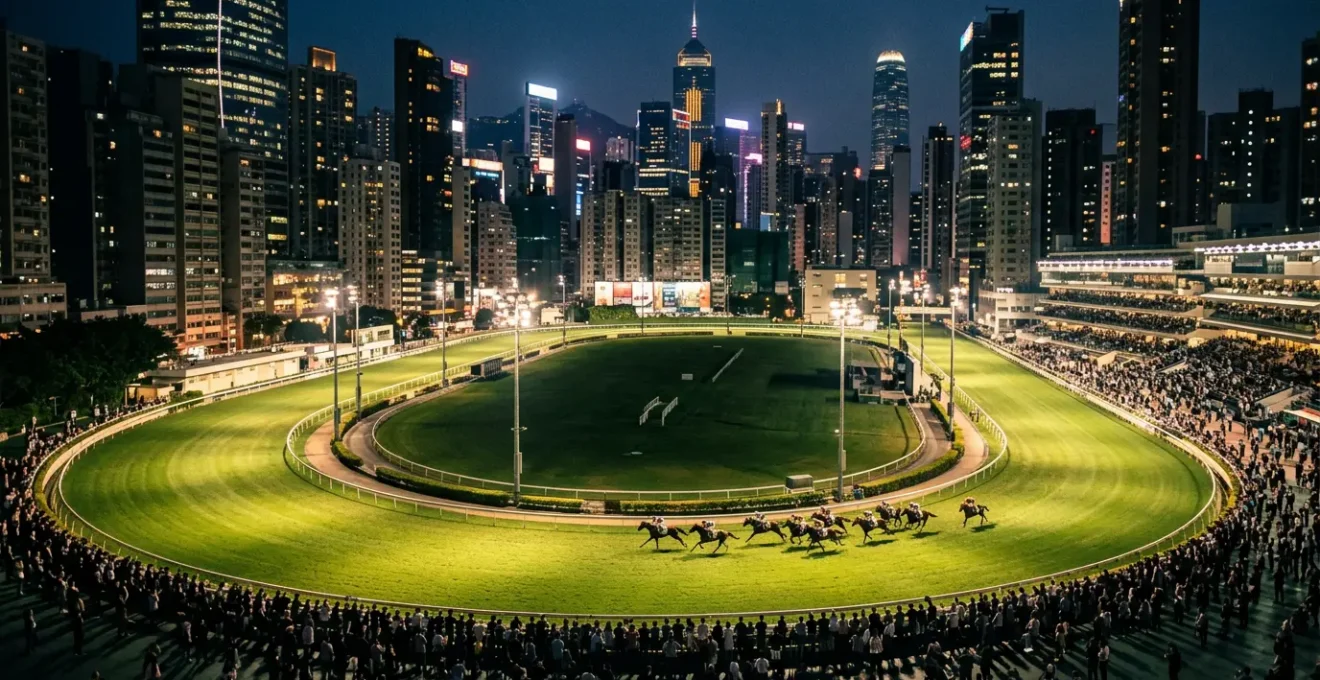
Stepping into Happy Valley Racecourse on a Wednesday night feels like plugging directly into Hong Kong’s live wire. The roar of the crowd, the flash of the tote board, and the thunder of hooves under the city’s glowing skyscrapers create a spectacle that guidebooks rave about. Yet for a first-timer, the energy can feel intimidating. Most advice is simple: « go to the Beer Garden » or « just bring cash. » But this leaves you a passive spectator, holding a beer on the sidelines of a city-wide social ritual.
The real thrill of Happy Valley isn’t just watching; it’s participating. It’s understanding the rhythm of the night, the subtle social codes, and the simple mechanics of placing a small, fun bet. The secret isn’t about knowing horses, it’s about decoding the system. What if you could navigate the venue, the betting counters, and the cultural nuances with the confidence of a local regular, all while on a modest budget? This isn’t a guide about complex gambling strategies. It’s a roadmap to becoming an active participant in Hong Kong’s most electric social phenomenon.
This article will walk you through the practical steps and unwritten rules that transform a confusing tourist experience into an unforgettable night as a confident insider. We’ll cover everything from securing the best spot and understanding the dress code to managing your money and even decoding the cacophony of the crowd. Let’s get you ready for the races.
Summary: A Beginner’s Guide to the Happy Valley Races
- Do You Need a Reservation to Enter the Happy Valley Beer Garden?
- What Is the Dress Code for the Public Enclosure vs the Member Stand?
- Can You Use Your Octopus Card to Place Bets on the Horses?
- Why Are There No Races at Happy Valley in July and August?
- Where Is the Best Spot to See the Horses Up Close in the Paddock?
- Should You Pay in GBP or HKD When Using a UK Card at Luxury Stores?
- Why Is It So Noisy inside Traditional Dim Sum Halls?
- How to Photograph the Moving Horses Under the Happy Valley Floodlights?
Do You Need a Reservation to Enter the Happy Valley Beer Garden?
For the most part, no, you don’t need a reservation for the famous Beer Garden, but this answer comes with a crucial strategy. The Beer Garden is the social heart of Happy Valley for tourists and young professionals, operating on a first-come, first-served basis for standard race nights. Success here isn’t about booking ahead; it’s about timing and flexibility. Arriving right when the gates open around 5:15 PM is your best bet for snagging a prime table with a view of both the track and the live band.
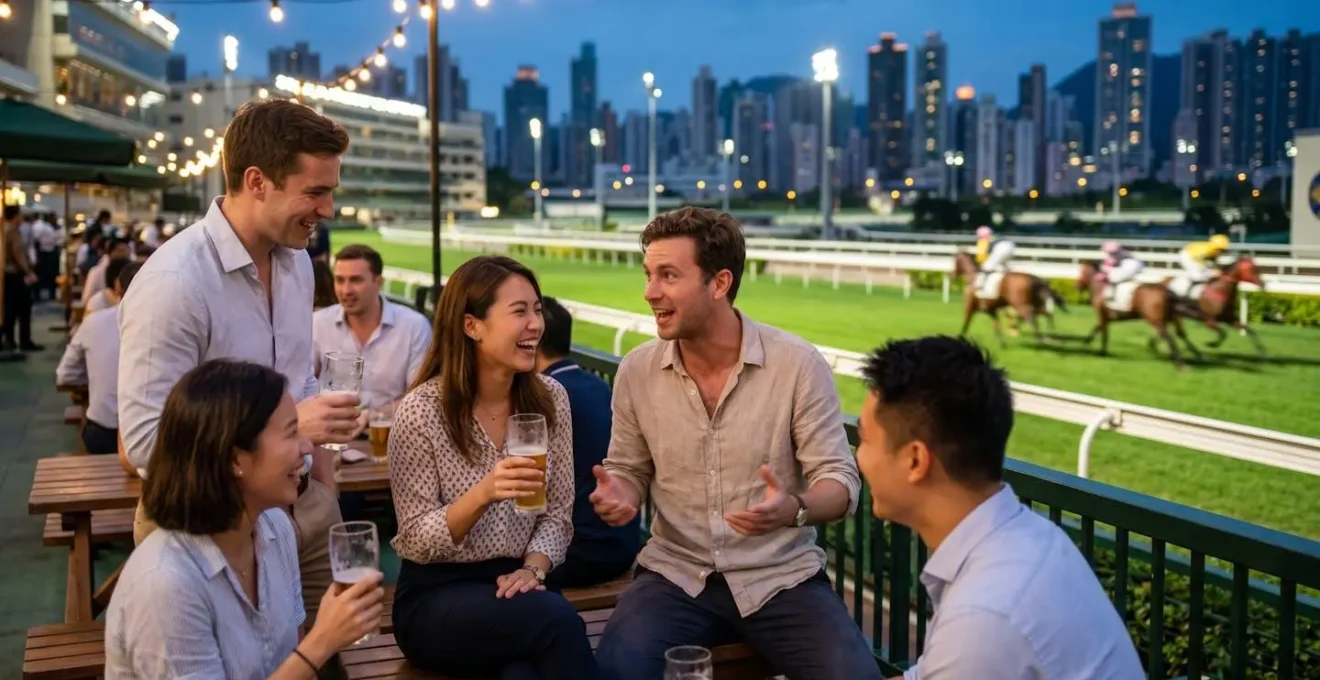
However, be aware of special themed nights like Oktoberfest or the season finale. On these evenings, the area often becomes a ticketed, reservation-only event. If you arrive and find the Beer Garden packed, don’t despair. Your insider move is to have a Plan B and C. The 2nd Floor Track View Terrace offers reserved seating for a mere HK$20, providing fantastic, sweeping views. Alternatively, positioning yourself near the paddock railings offers an equally vibrant atmosphere without needing a table, keeping you close to the pre-race action.
Ultimately, treating the Beer Garden as a dynamic social hub rather than a guaranteed seat is the key to a stress-free start to your evening.
What Is the Dress Code for the Public Enclosure vs the Member Stand?
The question of what to wear to Happy Valley is a classic source of tourist confusion. The simple answer is that it depends entirely on where you plan to be. Unlike the formal racing events you might see in Europe or Australia, the general public areas at Happy Valley are decidedly casual. Think of the vibe as more of an outdoor festival or trendy bar than a formal sporting event. However, « casual » has its limits, and the rules change drastically as you move into more exclusive areas.
One visitor noted a key cultural difference: « Unlike in Australia, people DO NOT dress up for the races here. Of the approximate 1000 guests I saw in the general admissions area I would estimate maybe 1-2 were in suits. » This highlights the relaxed nature of the public enclosure and Beer Garden, where jeans and t-shirts are the norm. The main restriction is footwear; slippers and flip-flops are not permitted anywhere. The real divide occurs when you enter areas requiring a tourist badge or access to the Members’ Stand, where the code shifts to « Smart Casual. »
To avoid any awkward moments, understanding the specific requirements for each area is crucial. This is less about high fashion and more about respecting the club’s tiered system of etiquette. The following breakdown clarifies exactly what is expected in each enclosure.
| Area | Dress Code | What to Wear | Not Permitted |
|---|---|---|---|
| Public Enclosure & Beer Garden | Casual – No formal restrictions | Jeans, t-shirts, trendy bar attire, comfortable footwear, think outdoor concert vibe | Slippers, flip-flops, plastic footwear (official restriction) |
| Members Stand & Tourist Badge Areas | Smart Casual | Collared shirts, blouses, trousers/skirts, closed-toe shoes; jackets recommended for men | Denim, shorts, sneakers, flip-flops, sleeveless tops, ripped clothing |
| Exclusive Boxes (Owners, Voting Members) | Elegant Business Attire | Blazers/suit jackets over shirts or turtlenecks with long trousers (men); dresses, blouses with skirts or trousers (women) | T-shirts, tracksuits, singlets, shorts, overalls, sports shoes, casual footwear |
By dressing for the area you’ll be in, you blend in seamlessly and show you understand the social landscape of the event.
Can You Use Your Octopus Card to Place Bets on the Horses?
This is a critical point that trips up many beginners: you can use your Octopus card to get *in* to the racecourse (paying the HK$10 public enclosure fee), but you absolutely cannot use it to place bets. Happy Valley, especially for a casual visitor, operates on an old-school system built around cash and betting vouchers. Trying to use your Octopus, credit card, or any other digital payment at the betting counter will only lead to confusion and missed races.
To participate in the fun, you must embrace the cash-flow system of the Hong Kong Jockey Club (HKJC). This means your financial preparation starts before you even arrive. The key is to withdraw Hong Kong Dollars from an ATM and convert that cash into betting vouchers once inside. This two-step process is the gateway to placing any wagers for the night. It might seem archaic, but it’s an efficient system designed for high-volume, small-stake betting. Mastering this flow is fundamental to feeling like an insider.
Sample Budget for a Great Night at Happy Valley
To eliminate financial anxiety, here’s a realistic breakdown for a beginner’s night. A typical budget includes: HK$10 for the public enclosure entry fee; HK$20 for an optional terrace seat upgrade; HK$200-300 for food and drinks (a 500ml beer is about HK$55); and a « fun betting » fund of HK$100-200. With minimum bets at just HK$10, this allows you to bet on nearly every race without significant risk. A total budget of HK$330-530 ensures you can fully experience the night without worrying about overspending.
Your Action Plan: Beginner’s Cash-Flow for Betting
- Withdraw HKD: Before arriving, get Hong Kong Dollars from an ATM. Betting is a cash-first environment.
- Purchase Vouchers: Use your cash at designated counters inside to buy betting vouchers. The minimum bet is typically HK$10.
- Place Bets: Use your voucher at electronic terminals or with tellers to bet on races. The simplest bets are ‘Win’ (your horse must finish first) or ‘Place’ (your horse must finish in the top 2 or 3, depending on the number of runners).
- Cash Out: This is crucial! Before you leave, return to a payout counter to cash out any winning slips and the remaining balance on your voucher. Unclaimed funds expire.
- Consider an Account: For frequent visitors, opening an HKJC betting account allows digital deposits but requires more setup.
By preparing your cash in advance, you sidestep the most common tourist frustration and can focus entirely on the excitement of the races.
Why Are There No Races at Happy Valley in July and August?
The silence at Happy Valley during the peak summer months is a deliberate and necessary pause in Hong Kong’s horse racing calendar. The primary reason is the well-being of the horses. Hong Kong’s subtropical climate brings intense heat and humidity in July and August, conditions that are too stressful and dangerous for thoroughbreds to compete in. The off-season, which runs from mid-July to the beginning of September, serves as a crucial rest and recovery period for the animals and a time for track maintenance.
The Hong Kong racing season is a long and intense affair, with prestigious events held from September to July every year. This schedule, with its built-in summer break, has been honed over decades by the Hong Kong Jockey Club to ensure the sustainability of the sport and the health of its equine athletes. While the break might disappoint summer tourists, it underscores the professionalism and high welfare standards of the local racing industry.
If your trip falls during this off-season, you still have excellent Wednesday night alternatives to capture some of that classic Hong Kong energy:
- Visit Sha Tin Racecourse: Racing doesn’t stop entirely; it sometimes moves to the larger, more modern Sha Tin venue, which offers a different but equally compelling experience.
- Explore Temple Street Night Market: Immerse yourself in the vibrant street culture of Kowloon with food stalls, fortune tellers, and bustling crowds.
- Discover Hong Kong’s Rooftop Bars: The city’s skyline is a show in itself. Venues in Central or Tsim Sha Tsui offer stunning views and a sophisticated social buzz.
- Visit the Hong Kong Racing Museum: Located at Happy Valley, the museum remains open and offers a deep dive into the 150-year history of the sport, preparing you for a future visit.
This seasonal pause is a fundamental part of the rhythm of Hong Kong life, and knowing about it marks you as a well-informed visitor.
Where Is the Best Spot to See the Horses Up Close in the Paddock?
While the finish line provides the climax, the paddock is where the real pre-race story unfolds. This is your best—and only—opportunity to see the magnificent thoroughbreds up close, and choosing the right spot is key to decoding the race before it even begins. The paddock is a multi-level amphitheater where horses are paraded before each race. The best viewing spot depends on your goal: a panoramic overview or an immersive, detailed observation.
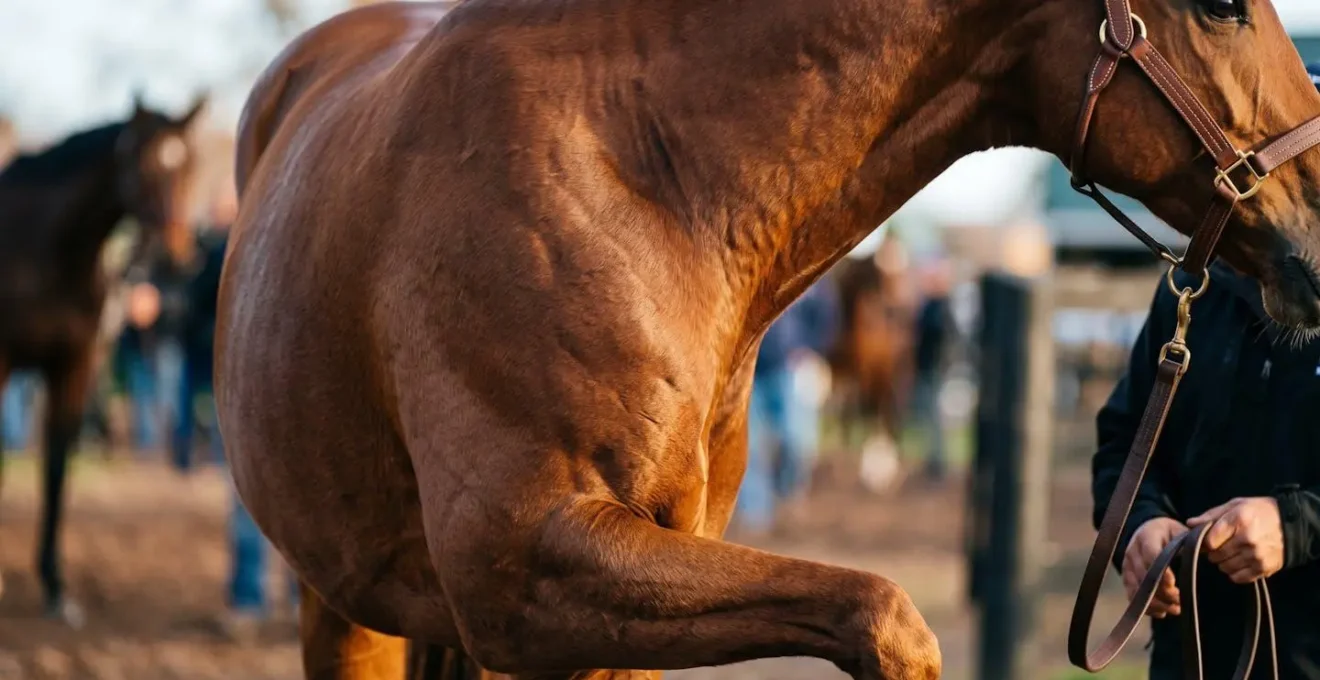
For a great photo and a general sense of the scene, the upper tiers of the paddock are ideal. From here, you can see the entire walking circle, watch the owners and trainers converse, and appreciate the spectacle as a whole. However, to truly act like an insider, get down to the ground-level rail. Here, the experience becomes sensory. You can hear the horses snort, see the sheen on their coats under the floodlights, and feel the ground vibrate as they pass. This is where you can practice the art of paddock watching: observing a horse’s body language to gauge its readiness to race.
To make the most of your time here, follow a simple timeline:
- 20 minutes before the race: Watch the horses parade. Look for a calm, confident stride versus agitated behavior or excessive sweating.
- 10 minutes before the race: Observe the jockeys mounting. This is when you’ll see the final instructions given by trainers.
- 5 minutes before the race: Position yourself near the tunnel to the track. You’ll feel the raw power as the horses head out to compete.
By engaging with this part of the ritual, you transform from a simple bettor into an informed observer, deeply connected to the sport for the evening.
Should You Pay in GBP or HKD When Using a UK Card at Luxury Stores?
When faced with a payment terminal in Hong Kong, whether in a luxury store or a restaurant, you’ll often be asked if you want to pay in your home currency (GBP) or the local currency (HKD). The answer is unequivocal: always choose to pay in Hong Kong Dollars (HKD). Opting to pay in GBP triggers a process called Dynamic Currency Conversion (DCC), where the merchant’s bank sets the exchange rate. This rate is almost always less favorable than the one your own bank would provide, effectively adding a hidden fee to your transaction.
However, when applying this knowledge to your night at Happy Valley, the issue becomes largely academic. As we’ve established, the racecourse is a fortress of cash. Foreign credit and debit cards have very limited use inside the venue for the average visitor. The entire betting ecosystem, along with many food and drink stalls, relies on cash or cash-purchased betting vouchers. Therefore, the most important financial decision you’ll make isn’t about DCC; it’s about preparing your cash beforehand.
Your pre-race financial strategy should be simple and effective:
- Set a Budget: Decide on your total entertainment budget for the night (a range of HK$330-530 is a good start).
- Withdraw Cash: Withdraw only that amount in HKD from an ATM before you head to the racecourse.
- Create a Limit: This physical cash becomes your natural spending limit, preventing any emotional, in-the-moment overspending.
By focusing on a cash-based strategy, you sidestep currency conversion issues and ensure a smooth, financially stress-free experience at the track.
Why Is It So Noisy inside Traditional Dim Sum Halls?
The boisterous clatter of a traditional dim sum hall and the roaring crowd at Happy Valley might seem worlds apart, but they are born from the same cultural concept: ‘yeet nao’ (熱鬧). This Cantonese term doesn’t just mean « noisy »; it describes a cherished atmosphere of lively, bustling energy that signifies prosperity, community, and excitement. Understanding ‘yeet nao’ is the key to decoding the soundscape of Hong Kong.
The boisterous noise (熱鬧, ‘yeet nao’ in Cantonese) at both places is a cherished sign of energy, community, and excitement in Hong Kong culture.
– Cultural Context, Hong Kong Cultural Insights
Instead of being overwhelmed by the noise at Happy Valley, an insider learns to dissect it. The sound isn’t chaos; it’s a symphony with distinct movements. Each layer of sound tells part of the story of the night, building to a dramatic climax every 30 minutes. Learning to identify these sounds transforms you from a passive listener into someone who understands the emotional rhythm of the event.
Think of the night’s soundtrack as having four main layers:
- The Festival Vibe: Between races, a live band in the Beer Garden plays pop and rock covers, creating a relaxed, social energy.
- The Punter’s Murmur: A low hum of hundreds of conversations as people study race forms, discuss odds, and strategize.
- The Commentator’s Crescendo: The rapid-fire Cantonese race commentary that builds tension, its pace quickening as horses enter the final stretch. You don’t need to understand the words to feel the escalating drama.
- The Final Roar: The explosive, collective eruption from thousands of people in the final 100 meters—a pure, primal release of hope and excitement that is the signature sound of Happy Valley.
Embrace the ‘yeet nao’. Better yet, contribute to it. A loud « Gā yáu! » (加油) — meaning « Go for it! » — as the horses near the finish will make you a true participant in the ritual.
Key takeaways
- Mastering Happy Valley is not about knowing horses, but about decoding its social and financial systems.
- Prepare for a cash-centric evening. Your budget should be withdrawn in HKD before you arrive for a seamless experience.
- Embrace the ‘yeet nao’ (lively noise) and the paddock parade as key parts of the cultural ritual, not just background events.
How to Photograph the Moving Horses Under the Happy Valley Floodlights?
Happy Valley at night is a photographer’s dream: the glowing skyline, the vibrant green track, the powerful motion of the horses. Capturing it all, especially with a smartphone, can be challenging but rewarding. The secret isn’t a high-end camera, but knowing what story you want to tell through your photos. Instead of just trying to get a technically perfect shot of a blurry horse, focus on capturing the complete experience.
For a great Instagram story that captures the vibe, think in scenes:
- The « I’m Here » Shot: A flat lay of your betting slip and a beer, with the illuminated track blurred in the background. It’s an authentic, storytelling composition.
- The Establishing Shot: Use your phone’s Night Mode to capture the massive, glowing tote board against the twilight sky. This gives a sense of scale and cinema.
- The Action Shot: Don’t try for one perfect photo of the horses. As they thunder past, use Burst Mode by holding down the shutter button. You can pick the sharpest image later.
- The Climax Shot: The most powerful image is often the crowd’s reaction. Position yourself near the finish line for the final race and capture the collective explosion of joy or disappointment.
Insider Tip: Presence Over Photography
While the photo opportunities are stunning, seasoned visitors emphasize balancing photography with being present. The most memorable moments—the collective gasp, the roar of the crowd, the friendly debate with a stranger after a close finish—are rarely captured on camera. The best practice is to designate specific moments for photos (like the paddock parade and one race finish) and then put your phone away. This allows you to genuinely absorb the energy and participate in the social phenomenon, which is the true prize of the night. Be mindful not to block others’ views with your phone during a race.
Ultimately, the best memories from Happy Valley will be the ones you experienced fully, not the ones you were busy trying to photograph. Apply this insider mindset, and you’ll leave with a feeling of genuine participation that no photo can truly capture.