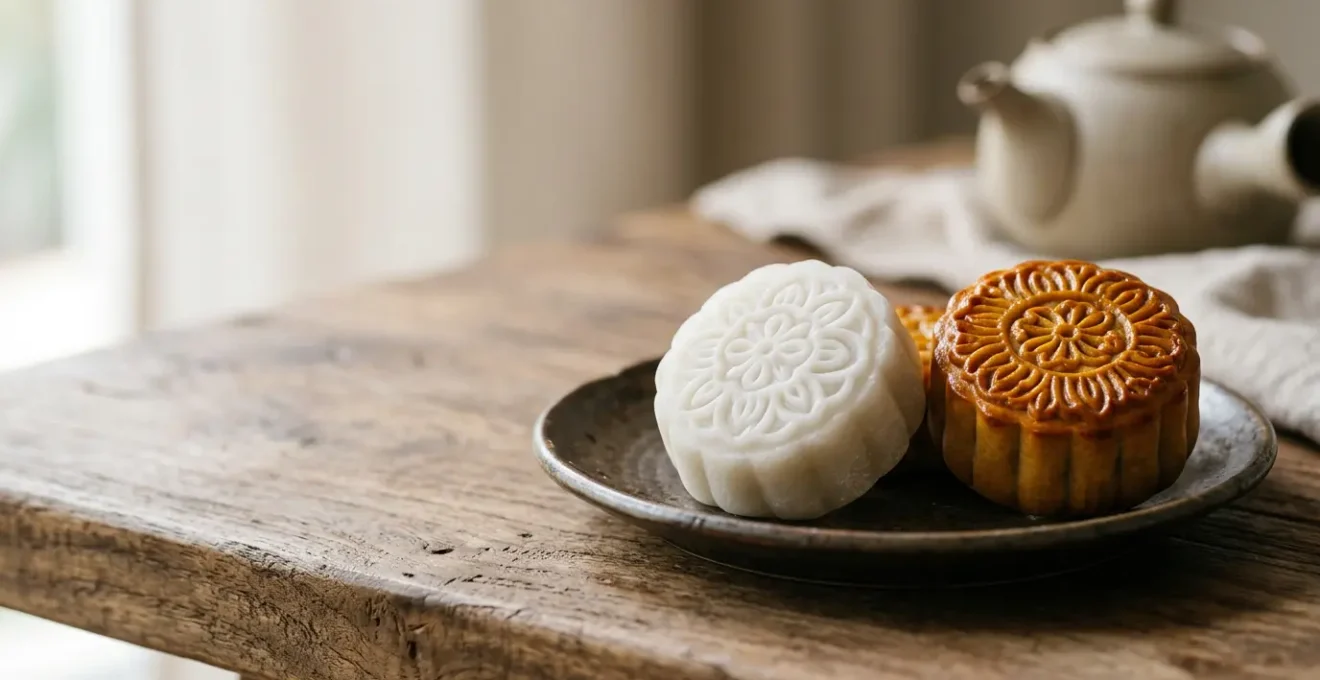
Choosing between snowy skin and traditional mooncakes isn’t just about taste; it’s about understanding the cultural role each one plays in the art of festive gifting and consumption.
- Traditional baked mooncakes represent heritage and respect, making them the default for formal gifting, especially to elders.
- Modern snowy skin and novelty flavors signal a more cosmopolitan, personal choice, best suited for friends and informal occasions.
Recommendation: Master the context. When in doubt, gifting a classic lotus paste mooncake from a reputable brand is always the safest and most respectful choice.
The annual arrival of Mid-Autumn Festival brings a delightful, yet perplexing, dilemma for foodies worldwide: the great mooncake debate. On one side stands the traditional baked Cantonese mooncake, a dense, golden-brown pastry filled with rich lotus seed paste. On the other, its modern counterpart, the ethereal snowy skin mooncake, with its mochi-like texture, served chilled and filled with everything from fruit mousse to champagne-truffle ganache. The surface-level discussion always revolves around texture and temperature—baked and dense versus soft and cool.
But this simple binary misses the point entirely. To treat this as a mere matter of preference is to see only the pastry and ignore the intricate cultural performance it’s part of. The real key to navigating the world of festive delicacies isn’t just knowing what you like, but understanding the unspoken rules—the cultural grammar—that dictates how they are consumed, gifted, and valued. This is about more than just a sweet treat; it’s about social currency, respect, and shared ritual.
So, if the true challenge is not choosing a flavour but mastering the context, where does one begin? We will move beyond the crust to decode the system. This guide unpacks the essential questions a true connoisseur must answer, from the art of slicing and pairing to the dizzying prices of premium boxes and the etiquette of enjoying other notoriously tricky festive foods. It’s time to learn the language of the festival.
To help you navigate this rich culinary landscape, this article breaks down the essential knowledge needed to appreciate these festive traditions like an insider. Here is what we will explore.
Summary: Snowy Skin vs Traditional Lotus: Which Mooncake Should You Try?
- Why Is It Advised to Eat Mooncakes in Small Slices with Tea?
- Can You Bring Mooncakes with Egg Yolks Back to the UK?
- Why Do Premium Mooncake Boxes Cost Over HK$500?
- Where Can You Recycle the Metal Mooncake Tins After Eating?
- How to Eat a Zongzi Without Making a Sticky Mess?
- Why Do Cantonese Meals Always Start or End with Slow-Cooked Soup?
- Do the « Peace Buns » Actually Taste Good or Are They Just Symbols?
- How to Eat a Zongzi Without Making a Sticky Mess?
Why Is It Advised to Eat Mooncakes in Small Slices with Tea?
The first rule of mooncake etiquette is that one does not simply eat a mooncake like a personal cupcake. This practice is a cultural faux pas rooted in a deep misunderstanding of the pastry’s purpose. A mooncake is designed for sharing, symbolizing family reunion and completeness. Its incredible density and richness, packed with lotus seed paste and often a rich, oily salted egg yolk, make it far too overwhelming to be eaten whole. The traditional method is to slice it into small, elegant wedges—often six or eight—and for each person to savour a small piece.
This method of consumption is not just about portion control; it’s a sensory ritual. The perfect companion to this rich pastry is a robustly brewed Chinese tea. The tannins and heat from the tea serve a crucial function: they cut through the unctuous, high-fat, high-sugar content of the mooncake, cleansing the palate after each bite. This pairing creates a harmonious balance, preventing the experience from becoming cloying and allowing the complex flavours of both the pastry and the tea to shine. Without tea, you are merely consuming sugar; with tea, you are participating in a tradition.
Choosing the right tea is an art in itself. The goal is to complement, not overpower. Here are some classic pairings:
- Rich Lotus Paste: The intense sweetness calls for a strong, earthy tea to slice through it. Aged Pu’erh or a robust Keemun black tea are excellent choices.
- Snowy Skin with Light Fillings: These delicate creations require a lighter touch. A floral Oolong like Tie Guan Yin or a fragrant jasmine green tea will enhance their subtle notes.
- Salted Egg Yolk: The savoury-sweet combination is best balanced by a toasty Oolong or a fresh, raw Pu’erh, which can stand up to the richness without clashing.
This pairing is a cornerstone of the mooncake experience, transforming a simple dessert into a sophisticated, communal ceremony of taste and texture.
Can You Bring Mooncakes with Egg Yolks Back to the UK?
Gifting mooncakes is a cherished tradition, but that generosity can quickly run into trouble with international biosecurity laws. For those traveling from Asia to the United Kingdom, the question of whether a box of beautiful mooncakes can be part of your luggage is a critical one. The answer, unfortunately, is a firm « no » for the most traditional and prized varieties.
The key issue lies with the ingredients. According to official UK government import regulations, mooncakes containing meat, egg yolk, and milk are prohibited from being brought into the country for personal use. This restriction is in place to prevent the introduction of diseases like avian flu or foot-and-mouth disease. Since the classic Cantonese mooncake often features a salted duck egg yolk at its center, it falls squarely into this prohibited category. The same rule applies to many modern « lava custard » mooncakes, which are made with a rich egg and dairy base.

Attempting to bring these items in can result in their confiscation and destruction at the border. It’s a heartbreaking end for such a meaningful gift. To avoid disappointment, travelers should opt for mooncakes with fillings that are compliant with import rules. Varieties made purely from lotus seed paste, red bean paste, or mixed nuts are generally permissible. Always check the ingredient list before packing, and when in doubt, declare your food items to customs officers. The safest bet is often to purchase mooncakes from specialty importers already cleared for sale within the UK.
Why Do Premium Mooncake Boxes Cost Over HK$500?
For the uninitiated, the price tag on a premium box of mooncakes can be shocking. How can a box of just four to eight small pastries command a price exceeding HK$500, sometimes reaching into the thousands? The answer is that you are not just buying a dessert; you are purchasing a piece of social currency. The high price is a deliberate signal of respect, status, and the importance of a relationship, a concept deeply tied to the idea of ‘mianzi’ or ‘face’ in corporate and social gifting culture.
The cost is driven by several key factors, with the actual ingredients sometimes being only a fraction of the final price. First is the brand legacy. Iconic five-star hotels and Michelin-starred restaurants invest their reputation into these seasonal offerings. Owning a box from a celebrated institution is a statement in itself. Second is the packaging. Premium mooncake boxes are not disposable containers; they are often lavish, reusable ‘jewelry boxes’ designed by famous artists, featuring intricate motifs, drawers, and even built-in lights. They are designed to be displayed and kept long after the festival ends.
Case Study: The Peninsula Hotel’s Iconic Egg Custard Mooncakes
A perfect example of this phenomenon is The Peninsula Hong Kong’s legendary Spring Moon egg custard mooncakes. Priced at HK$668 for a box of eight, these creations from the Michelin-starred kitchen have been a status symbol for nearly four decades. Their value comes from meticulous handcraftsmanship, a secret recipe that yields a buttery, shattering crust, and the immense prestige of The Peninsula brand, a beacon of luxury since 1928. The crimson, art deco-style box is as coveted as the pastries within, making it a powerful statement of luxury and heritage in the world of high-stakes gifting.
This table breaks down how these components contribute to the final price, as shown in a comparative analysis of luxury offerings.
| Cost Component | Description | Impact on Price |
|---|---|---|
| Ingredient Sourcing | Rare white lotus seeds, premium egg yolks, imported luxury ingredients (truffle, caviar for specialty editions) | 30-40% |
| Brand Legacy & Prestige | Iconic hotels like The Peninsula (since 1928), Mandarin Oriental, Rosewood with Michelin-starred kitchens | 25-30% |
| Packaging (‘Jewelry Box’ Effect) | Lavish, reusable designer boxes, art deco motifs, collaborations with luxury brands and artists, collectible tins | 20-25% |
| Social Currency & ‘Mianzi’ | High price signals respect and status in corporate gifting culture; investment in business relationships (‘face’) | 15-20% |
| Note: Limited-edition collaborations and scarcity create secondary market appreciation, with some boxes increasing in value post-festival. | ||
Where Can You Recycle the Metal Mooncake Tins After Eating?
After the last slice of mooncake has been enjoyed, you are left with the beautiful, and often very sturdy, packaging. While the elaborate cardboard boxes can be challenging to recycle due to mixed materials, the iconic metal tins present a more straightforward opportunity. The good news is that, according to recycling facility guidelines, most metal mooncake tins are indeed recyclable. They are typically made of tinplate (steel coated with tin) and sometimes have aluminum lids, both of which are valuable materials in the recycling stream.
To recycle them properly, you must first ensure the tin is completely clean and empty. Any lingering crumbs, oil residue, or the small plastic trays that hold the mooncakes must be removed. The plastic trays themselves may or may not be recyclable depending on your local facilities; check for a recycling symbol and number. Once the metal tin is clean, it can usually be placed in your household’s mixed recycling bin along with other metal cans.
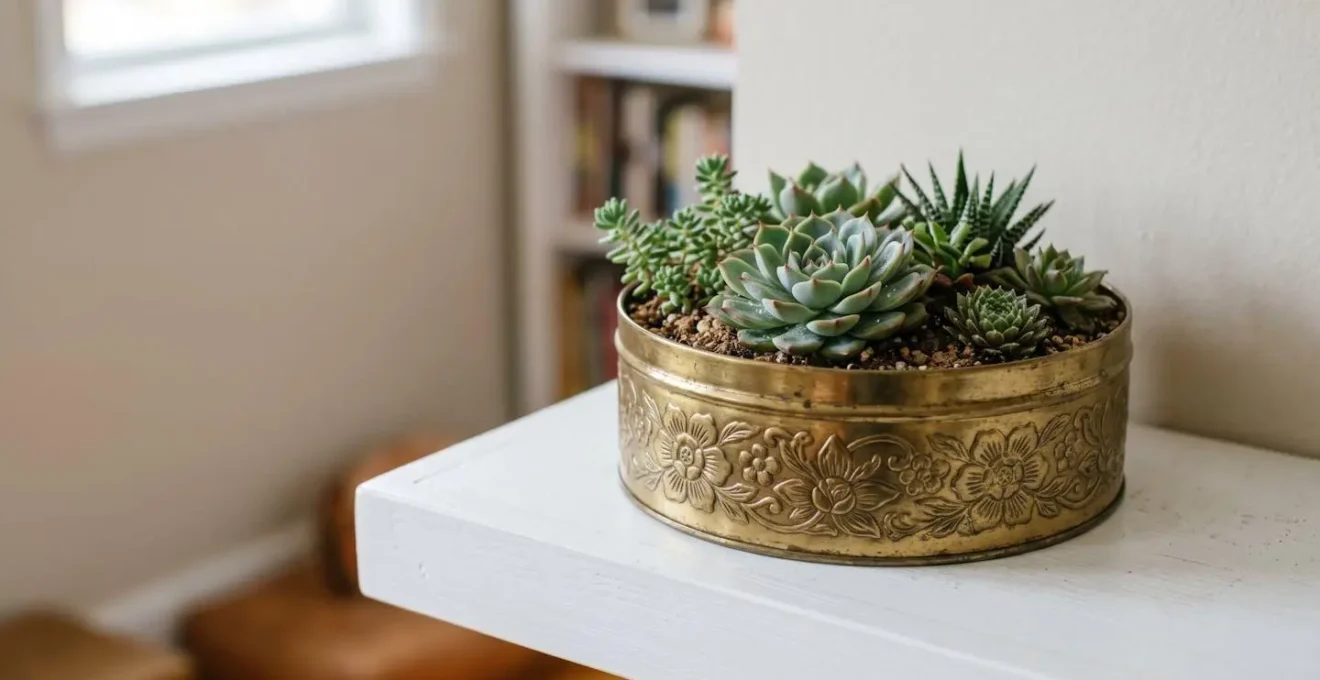
However, the beauty and durability of these tins have inspired a strong culture of upcycling. Rather than sending them to be melted down, many people give them a second life. Their ornate designs and sturdy construction make them perfect for a variety of household uses. This approach not only reduces waste but also preserves a piece of the festival’s artistry. Some creative ideas include:
- Jewelry or watch organizers: Compartmentalized tins are perfect for storing small accessories.
- Succulent planters: Filled with soil, they make stylish homes for small plants.
- Sewing kit containers: A classic use for storing needles, threads, and buttons.
- Keepsake boxes: Ideal for preserving old photos, letters, and sentimental items.
- Tea storage: Airtight metal tins are excellent for keeping loose-leaf tea fresh and aromatic.
Where to Buy Truffle or Durian Mooncakes for the Novelty?
For the adventurous foodie, the world of mooncakes extends far beyond lotus and red bean. Each year, a battle for innovation rages among five-star hotels and boutique bakeries, resulting in a dazzling array of novelty flavors. From savory options like black truffle and abalone to polarizing fruits like durian and modern sweets like lava custard, the choices are endless. But navigating this landscape requires a strategic approach, especially when gifting.
The golden rule is to know your recipient. Gifting a box of Musang King durian mooncakes to someone who dislikes the fruit’s pungent aroma is a costly mistake. Similarly, while a spicy beef mooncake might intrigue a fellow foodie, it is not an appropriate gift for a traditionalist or an elderly relative. The source of the mooncake is also a strong indicator of its style. Luxury hotels are the primary battleground for cutting-edge savory and complex sweet flavors, while boutique bakeries offer unique artisanal creations and major chains deliver reliable mass-market novelties.
This table, based on an annual review of luxury offerings, provides a guide to navigating these modern flavors by category and the associated risk level for gifting.
| Flavor Category | Examples | Risk Level for Gifting | Where to Buy |
|---|---|---|---|
| Luxury Savory | Truffle, abalone, caviar, spicy beef | Low-Medium (safe for younger, cosmopolitan recipients) | Five-star hotels: The Peninsula, Mandarin Oriental, Rosewood Hong Kong |
| Polarizing Fruit | Durian, mango pomelo sago | High (only for confirmed fans) | Boutique bakeries, Asian specialty chains |
| Modern Sweet | Lava custard, ice cream, chocolate, matcha, Earl Grey | Low (widely appealing) | Hotels, major chains, artisan chocolatiers (e.g., Conspiracy Chocolate) |
| Fruit-Based | Yuzu, mango, strawberry, champagne | Low-Medium (refreshing, safe choice) | Hotel boutiques, specialty bakeries |
| Traditional Safe | White lotus paste, red bean paste, salted egg yolk | Very Low (essential for elders and conservative contacts) | Traditional Cantonese bakeries, all major hotels |
| Golden Rule: Know your recipient’s preferences before gifting polarizing flavors. Traditional flavors are mandatory for formal business gifting and elder family members. | |||
Ultimately, while novelty is exciting, the most successful gift is one that is thoughtful. When in doubt, a mixed box featuring a few safe traditional flavors alongside one or two modern ones can be an excellent compromise.
Why Do Cantonese Meals Always Start or End with Slow-Cooked Soup?
Moving beyond festival-specific treats, another cornerstone of Cantonese culinary culture that often puzzles outsiders is the reverence for slow-cooked soup, or ‘lao huo tang’ (老火汤). Served either at the very beginning of a meal to prepare the stomach or at the end to provide a nourishing conclusion, this soup is far more than a simple appetizer. It is a potent expression of care and a cornerstone of traditional Chinese medicinal food therapy.
Unlike Western soups, which are often a course in themselves, Cantonese slow-cooked soups are typically clear broths simmered for hours with a combination of meat (like pork bones or chicken), vegetables, and a carefully selected array of medicinal herbs. Each ingredient is chosen for its perceived therapeutic properties according to Traditional Chinese Medicine (TCM)—to balance the body’s ‘qi’ (life force), to combat ‘heatiness’ or ‘dampness,’ or to boost immunity. The long, slow simmering process is believed to extract the very essence of these ingredients into the broth, creating a tonic that is both flavorful and healing.
The act of preparing this soup is a labor of love. Because it takes so many hours to prepare, serving it to a guest is a profound gesture of hospitality and respect. It communicates a deep level of care for the well-being of the diners. As Traditional Chinese Medicine practitioners often explain in discussions on Cantonese soup culture and its philosophy:
A slow-cooked soup (‘lao huo tang’) is not a simple appetizer; it’s a labor of love that takes hours to prepare, symbolizing the host’s deep care and respect for their guests.
– Traditional Chinese Medicine practitioners, Cantonese Soup Culture and TCM Philosophy
Therefore, when you are served this soup, you are not just being offered a drink; you are being presented with a bowl of health, time, and affection—a central element in the grammar of Cantonese dining.
Do the « Peace Buns » Actually Taste Good or Are They Just Symbols?
Every year during the Cheung Chau Bun Festival in Hong Kong, images of towers covered in white buns flood the media. These are the famous ‘ping on bao’ or « peace buns, » and a common question from observers is whether they are genuinely delicious or purely symbolic. As a pastry critic, the honest answer is: they are primarily about the symbol, but that doesn’t mean they can’t be enjoyable.
A peace bun is essentially a simple, steamed white bread bun, similar in texture to a classic ‘mantou’. The most traditional versions are plain or have a very light, not-too-sweet filling like lotus seed paste, red bean paste, or sesame. The defining feature is the bright red stamp on top with the Chinese characters for « peace » (平安). Their taste is simple, slightly sweet, and fluffy. The experience of eating one is less about a complex flavor profile and more about a comforting, pillowy texture.
The key to enjoying a peace bun is freshness. A bun that has been sitting on a hot festival tower for hours will be dry and unappealing. However, a freshly steamed one, warm and soft, is a simple pleasure. It’s not a gourmet pastry designed to wow your palate like a Michelin-starred creation. Instead, its value lies in its cultural significance. Eating the bun is believed to bring peace and good fortune for the coming year. It is a food meant to be consumed as part of a communal celebration, imbued with hope and tradition. So, do they taste « good »? In the right context, absolutely. They taste like tradition, community, and peace—flavors that are satisfying in their own right.
Key Takeaways
- The consumption of festive foods is a ritual; slicing mooncakes and pairing them with tea is essential to the intended experience.
- Gifting is a language; the choice between traditional and novelty flavors communicates different levels of respect and familiarity.
- Value is often symbolic; the high price of premium foods reflects brand legacy, artistry, and social currency more than just ingredients.
How to Eat a Zongzi Without Making a Sticky Mess?
Of all the festive Chinese foods, the ‘zongzi’—a pyramid-shaped glutinous rice dumpling wrapped in bamboo leaves—is perhaps the most notoriously difficult to eat cleanly. Made for the Dragon Boat Festival, its delicious fillings of pork, mushrooms, and salted egg are encased in a sticky rice that seems determined to adhere to your fingers, the plate, and the leaves themselves. However, there is an established technique to enjoy a zongzi with grace.
The secret is to not fully unwrap it. The bamboo leaves are not just a cooking vessel; they are your primary tool for a mess-free experience. Instead of peeling all the leaves off at once and wrestling with a sticky pyramid of rice, you should use the leaves as a natural handle and plate. This method keeps your hands clean and the dumpling contained.
By mastering this simple process, you can transform a potentially frustrating struggle into an elegant and enjoyable part of the festival. It’s the final piece of cultural grammar: demonstrating not just an appreciation for the food, but the skill to consume it as intended. Now that you’re equipped with the knowledge to navigate the complex world of festive foods, the next step is to put it into practice with confidence.
Your Action Plan: Eating Zongzi Like a Pro
- The ‘Leaf-as-a-Plate’ technique: Fully unwrap only the top half of the zongzi, leaving the bottom half nestled in its bamboo leaf cradle. The leaves act as a natural, clean handle and plate.
- Optimal unwrapping process: Start from the top knot, carefully unwind the string, then gently peel back the leaves one by one (like peeling a banana) to prevent sticky rice from clinging to multiple leaves simultaneously.
- The chopstick method: After partially unwrapping, hold the zongzi steady in one hand and use a single chopstick to push off small, bite-sized portions from the exposed top, avoiding direct contact with sticky rice.
- Pro tip: Have a small bowl of water nearby to dip fingers if rice sticks, and use a damp cloth for quick cleanup.
- Serving suggestion: Place the partially unwrapped zongzi on a small plate to catch any falling rice grains and make the eating experience more civilized.
Armed with this cultural and practical knowledge, you are no longer just a confused foodie but a discerning connoisseur, ready to explore the rich tapestry of Asian festive cuisine with confidence and respect.